

Patali Shrikhetra Rath Yatra Defies Rain as Devotees Flood Subarnapur
Under a deluge of rain, thousands of devotees gathered at Patali Shrikhetra in Subarnapur to partake in the annual Rath Yatra, a testament to faith and tradition.

A Storm of Devotion
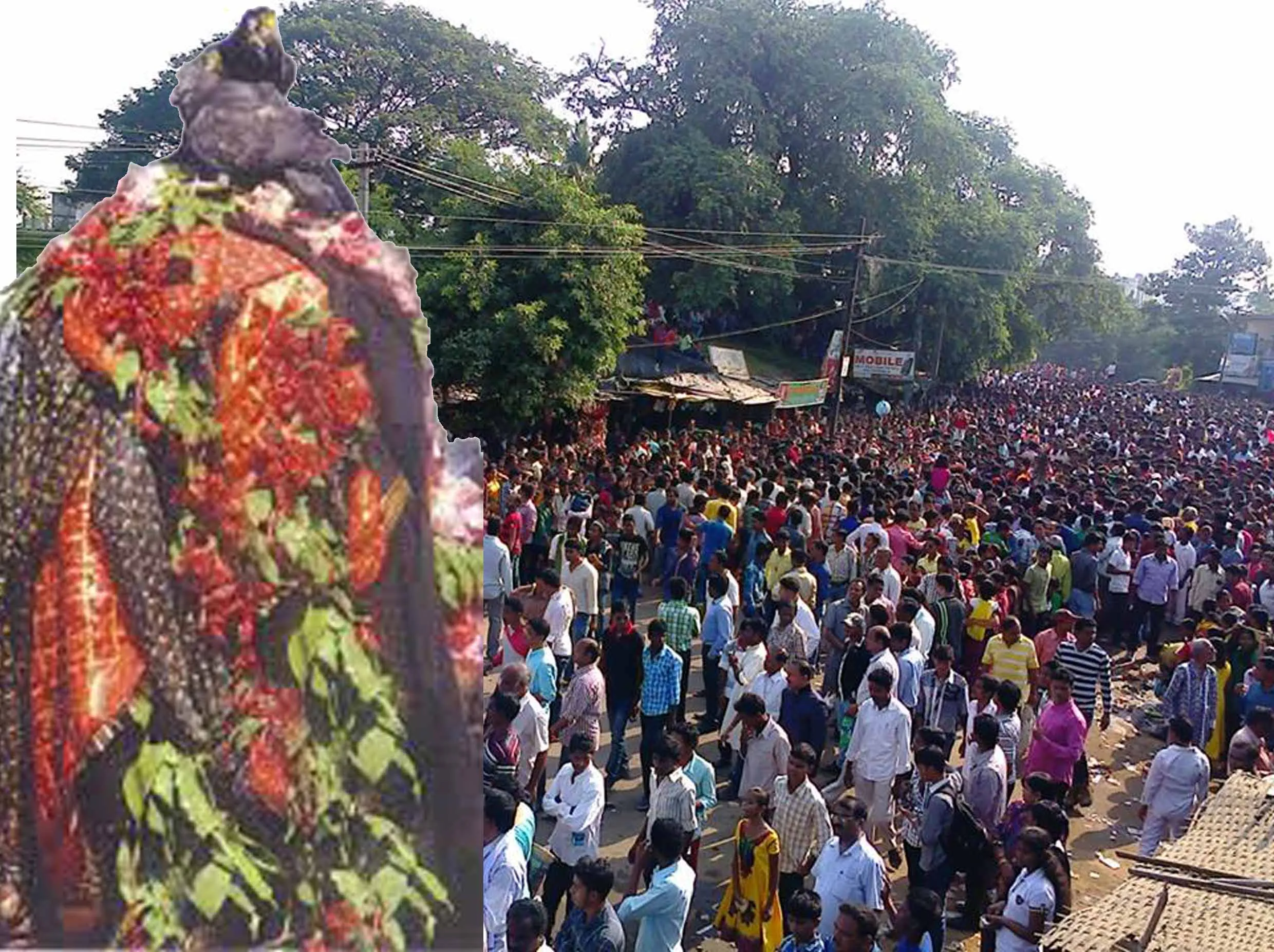
Rain lashed the skies over Subarnapur district on Thursday, but it could not dampen the spirit of thousands of devotees who converged on Patali Shrikhetra for the annual Shri Gundicha Rath Yatra. The historic site, perched at the foothills of Trikuta Hill, became a magnet for pilgrims as the deities of Lord Balabhadra, Devi Subhadra, and Lord Jagannath were ceremonially brought out of the Trikuta Hill shrine. Despite torrential downpours, the procession unfolded with an almost sacred rhythm, as villagers and visitors alike braved the elements to witness the ritual that has endured for centuries.
The ritual, known as the Dhadi Pahandi procession, marked the beginning of the festival. The deities, housed in the shrine since their concealment during the Raktavahu invasion, were carefully extracted and placed on intricately carved chariots. The Gadatya Chamara Amata, a revered spiritual group, then arrived in a grand procession, performing the Chera Pahanra ritual on the chariots. Redam Gauntia Narasingha Pradhan, Mitra Bhanu Mahakur, and Satya Narayan Tripathi assisted in the ceremony, their actions a blend of devotion and tradition that has remained unchanged for generations.
The chariot-pulling ceremony, a hallmark of the festival, saw women devotees take the lead in pulling the chariot of Devi Subhadra. This act of physical and spiritual labor, deeply symbolic in the region’s religious culture, drew gasps of admiration and applause from the crowd. The chariots were eventually pulled to the main junction of the Patali Shrikhetra shrine, where the Adapa Pahandi ritual will be performed on Friday afternoon. The event, which includes a unique blend of Odia folklore and religious practice, underscores the cultural richness of Subarnapur, a district often referred to as the 'Second Varanasi' of Odisha.
Guardians of Tradition
Birmaharajpur Sub-Collector Ajit Kumar Mirdha, SDPO Hemant Rao, and IIC Jayanti Keshari Sahu were among the officials overseeing the arrangements, ensuring that safety measures were in place despite the adverse weather. Their presence highlighted the festival’s significance not only as a religious event but also as a major administrative challenge requiring coordination among multiple agencies. Volunteers from the Patali Sena, NCC Sonpur, Health Department, and Fire Services worked tirelessly to manage the crowd and provide medical assistance, a critical task given the large number of attendees and the unpredictable weather conditions.
'This is a time when the boundaries between the spiritual and the practical blur,' said Ajit Kumar Mirdha. 'Every year, we witness the resilience of our people, who come from all corners of the state to participate in this sacred event. Our role is to ensure that their devotion is met with safety and dignity.'
The festival also featured live commentary by Rajamani Sahu, Harishchandra Hota, and Pareshwar Baghar, offering insights into the rituals for those unfamiliar with the traditions. In the evening, a devotional performance, or Bhajan Sandhya, brought the crowd together in a moment of collective reflection. Artists such as Sudarshan Biswal, Kartik Bhukta, and Ipsita Priya Darshini Padhi lent their voices to the cause, accompanied by instrumentalists Rajesh Satapathy and Prithwiraj Jagdala on the dhol. The event was coordinated by Patali Trust member Purnachandra Padhi, who emphasized the importance of preserving the festival’s legacy.
Patali Shrikhetra’s historical significance is deeply entwined with the chronicles of the Jagannath Temple. According to the Madalapanji, the deities were hidden in the Trikuta region during the Raktavahu invasion and remained concealed for 144 years before being rediscovered by Somavamsi king Jajati Keshari. This historical narrative transforms the shrine into a living monument, where the past and present converge in a celebration of faith. The site, a confluence of Shaktism, Buddhism, and Vaishnavism, continues to attract scholars and pilgrims alike, offering a glimpse into Odisha’s multifaceted spiritual history.
A Festival Beyond Borders
The Rath Yatra’s impact extends far beyond the geographical boundaries of Subarnapur. For many devotees, the journey to Patali Shrikhetra is as much a pilgrimage as it is a celebration. Travelers from across Odisha, and even neighboring states, braved the rain to participate in the event. The economic ripple effects are also evident, with local vendors setting up stalls to cater to the influx of visitors. From handcrafted souvenirs to traditional Odia snacks, the festival becomes a vibrant marketplace of culture and commerce.
'For us, this is more than a festival,' said Purnachandra Padhi, coordinator of the Patali Trust. 'It is a bridge connecting our ancestors to the present. Every ritual, every chant, every chariot pull is a reminder of who we are and where we come from.'
As the festival progresses, the coming days promise more rituals and ceremonies, each adding layers to the spiritual and cultural tapestry of the event. The Adapa Pahandi ritual on Friday, for instance, is expected to draw even larger crowds, with its intricate performances and symbolic significance. For the people of Subarnapur, the Rath Yatra is not merely an annual event—it is a testament to the enduring power of faith, history, and community.
As the rain tapered off and the sun broke through the clouds, the scene at Patali Shrikhetra took on an otherworldly glow. The chariots, now parked in their designated spots, stood as silent witnesses to the devotion of millions. For those present, the experience was one of transcendence, where the elements of nature and the rituals of tradition merged into a single, unifying moment. In that moment, the festival was not just celebrated—it was lived.
Related Coverage
What is the significance of Patali Shrikhetra in Odisha’s religious history?
Patali Shrikhetra is historically significant as the site where the idols of Lord Jagannath, Balabhadra, and Devi Subhadra were concealed during the Raktavahu invasion. They remained hidden for 144 years before being rediscovered by King Jajati Keshari, making it a pivotal landmark in the Jagannath cult's history.
How does the rain affect the Rath Yatra’s proceedings?
Despite heavy rain, the festival continues with rituals and chariot-pulling ceremonies, showcasing the devotion of participants. Authorities and volunteers implement measures to ensure the safety of devotees and the smooth conduct of the event.
Who are the key organizers and participants of the Patali Shrikhetra Rath Yatra?
The festival is organized by the Patali Trust with coordination from the Patali Sena, NCC Sonpur, Health Department, and Fire Services. Key participants include spiritual groups like the Gadatya Chamara Amata and local volunteers.
Priyanka Panda
District Correspondent, Subarnapur
Priyanka Panda covers Subarnapur (Sonepur), reporting on the district's temple heritage, riverine agriculture, and local civic issues.
View all articles by Priyanka →

Loading…