

Ghumura Dance in Odisha: Origins and Significance
Ghumura is a traditional folk dance from western Odisha, blending martial movements, drum music and vibrant costumes, performed during festivals and rituals.
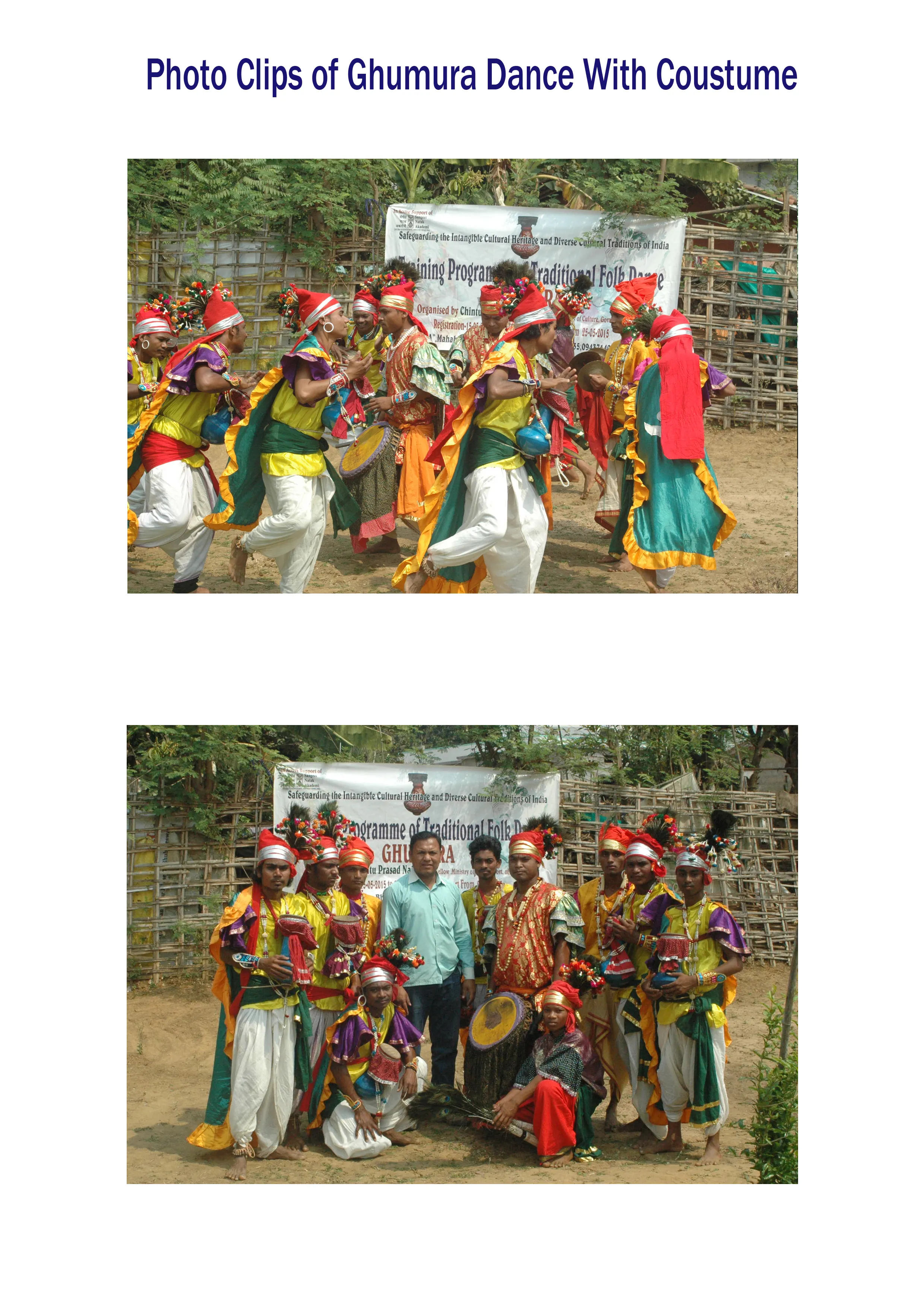
Ghumura is a traditional folk dance form originating in western Odisha, especially in the districts of Kalahandi, Nuapada, Nabarangpur, Koraput and Bolangir. Combining vigorous dance, martial postures and the resonant Ghumura drum, it is performed during religious festivals, harvest celebrations and social gatherings. Scholars trace its roots to ancient military traditions of the Mahakantara region, linking it to the historic kingdoms of South Kosala and Kalinga. The dance serves as a living expression of history, cultural memory and regional identity.
What are the origins and historical background of Ghumura?
Ghumura is a traditional folk dance with roots traced to ancient military traditions practiced in the Mahakantara region. This region broadly corresponds to present-day Kalahandi and its surrounding districts of Nuapada, Nabarangpur, Koraput and Bolangir. Historians believe the dance evolved from martial exercises performed by warriors before entering the battlefield.
Archaeological evidence supports the antiquity of the tradition. Sculptural depictions resembling Ghumura drummers have been identified in ancient temples of Odisha, indicating that the instrument and associated performance existed centuries ago. Some scholars link Ghumura to the military culture of the ancient kingdoms of South Kosala and Kalinga. These connections highlight the dance’s deep historical roots in western Odisha.
Historian Hermann Kulke observed that folk traditions such as Ghumura played a crucial role in preserving regional identities and cultural continuity in Odisha. Similarly, Anncharlott Eschmann emphasized the significance of western Odisha’s folk traditions in shaping the broader cultural landscape of the state. Local legends recount that Ghumura was originally used to inspire soldiers during warfare, its booming sound instilling courage and intimidating enemies.
Ghumura occupies a unique and revered position among Odisha’s folk traditions. It is regarded as a living expression of history, cultural memory, martial valor and collective identity. The dance embodies the spirit of courage, devotion, celebration and communal harmony.
Today, Ghumura has emerged not only as a regional cultural symbol but also as an emblem of Odia identity, gaining recognition at national and international cultural festivals. Its grandeur, aesthetic richness and historical significance continue to fascinate scholars, artists and cultural enthusiasts alike.
How is the Ghumura instrument constructed and played?
The Ghumura instrument itself is a distinctive percussion piece after which the dance is named. It is shaped like a pitcher or pot with a broad circular opening covered by animal hide. The drum is suspended from the shoulders or waist of the performer and is played while dancing.
Unlike many traditional drums that serve only as musical accompaniment, the Ghumura functions simultaneously as a musical instrument and a symbolic cultural artifact. It produces deep, resonant sounds capable of carrying over considerable distances. The rhythmic patterns generated by the Ghumura create a powerful atmosphere that energizes both performers and spectators.
Traditionally, the drum is crafted by local artisans using indigenous materials. The making of a Ghumura itself is considered an art that requires specialized knowledge passed down through generations. This craftsmanship contributes to the instrument’s cultural value.
What does a Ghumura performance involve?
Ghumura dance is characterized by extraordinary vigor, synchronization and discipline. Performers move in coordinated formations while continuously beating the drum attached to their bodies. The choreography includes circular formations, semi-circular movements, martial postures, rapid footwork, rhythmic body movements and symbolic battle formations.
Dancers typically perform in groups ranging from ten to thirty individuals. Their movements reflect collective harmony and physical endurance, as the dance demands remarkable stamina. Artists must simultaneously dance, maintain formation and play the heavy drum throughout the performance.
One of the most captivating aspects is the dynamic rhythm, which gradually intensifies to create excitement and emotional engagement. The synchronized movements of the dancers generate a visual spectacle that captivates audiences. The performance is often accompanied by vocal chants and traditional instruments such as Mahuri, Nishan, Tasa, Dhol and Jhanja, together forming a rich and powerful musical ensemble.
What costumes and aesthetics define Ghumura?
The visual appeal of Ghumura is one of its most striking features. Performers wear elaborate traditional attire that reflects the cultural heritage of western Odisha. The costume generally includes brightly colored turbans, decorative headgear, traditional dhotis, waistbands, ornaments made of beads and shells, peacock feathers and floral decorations.
These vibrant costumes symbolize festivity, prosperity and cultural pride. The visual harmony between costume, movement and music contributes significantly to the artistic excellence of the performance. Dancers often decorate themselves with traditional motifs representing local beliefs, folklore and heroic traditions.
Their appearance transforms the performance into a living cultural tableau that reflects the collective identity of the region. The combination of colorful dress, precise movements and resonant drumming creates a distinctive cultural expression unique to western Odisha.
What martial and religious significance does Ghumura hold?
One of the most distinctive characteristics of Ghumura is its martial essence. Unlike many folk dances primarily associated with entertainment, Ghumura retains traces of its warrior origins. Several dance sequences imitate military drills, battlefield movements, defensive formations, strategic advances and heroic gestures.
The vigorous body movements and disciplined formations suggest a historical connection with military training practices. Scholars often classify Ghumura as a folk martial dance because it preserves symbolic elements of warfare within a performative framework. This martial dimension reflects the historical experiences of the people of western Odisha, who frequently defended their territories against external invasions and political upheavals.
Although Ghumura possesses martial roots, it also holds profound religious significance. The dance is closely associated with the worship of various local deities and folk traditions. In Kalahandi, Ghumura performances are integral to numerous festivals and rituals.
Why does Ghumura matter today?
Ghumura serves as a bridge connecting the tribal, rural and classical cultural streams of Odisha. It continues to be performed at state‑level and national festivals, reinforcing Odia cultural identity.
The dance’s blend of martial vigor, musical resonance and visual spectacle makes it a living testament to western Odisha’s historical resilience and artistic creativity.
What is Ghumura dance?
Ghumura is a traditional folk dance form from western Odisha that combines vigorous dance, martial postures and the resonant Ghumura drum, performed during religious festivals, harvest celebrations and social gatherings.
Where does Ghumura originate?
Ghumura originates in the Mahakantara region, which broadly corresponds to present‑day Kalahandi and the surrounding districts of Nuapada, Nabarangpur, Koraput and Bolangir.
What is the Ghumura instrument and how is it played?
The Ghumura drum is shaped like a pitcher or pot with a broad circular opening covered by animal hide; it is suspended from the shoulders or waist of the performer and played while dancing, producing deep resonant sounds.
What are the key elements of a Ghumura performance?
Performers move in coordinated formations while beating the drum, featuring circular and semi‑circular movements, martial postures, rapid footwork, rhythmic body movements and symbolic battle formations, usually in groups of ten to thirty dancers.
What costumes do Ghumura dancers wear?
They wear brightly colored turbans, decorative headgear, traditional dhotis, waistbands, bead and shell ornaments, peacock feathers and floral decorations.
How is Ghumura linked to martial traditions?
Ghumura retains traces of its warrior origins, with dance sequences imitating military drills, battlefield movements, defensive formations, strategic advances and heroic gestures, suggesting a historical connection to military training.
What religious significance does Ghumura hold?
Ghumura is closely associated with the worship of various local deities and folk traditions and is performed during numerous festivals and rituals in Kalahandi.
Which scholars have commented on Ghumura’s cultural importance?
Historian Hermann Kulke noted that folk traditions like Ghumura preserved regional identities and cultural continuity in Odisha, while Anncharlott Eschmann highlighted the significance of western Odisha’s folk traditions in shaping the state’s cultural landscape.
What archaeological evidence supports Ghumura’s antiquity?
Sculptural depictions resembling Ghumura drummers have been found in ancient temples of Odisha, indicating the instrument and performance tradition existed centuries ago.
How does Ghumura connect different cultural streams in Odisha?
Ghumura serves as a bridge connecting the tribal, rural and classical cultural streams of Odisha.
Jyotirmayee Majhi
District Correspondent, Kalahandi
Jyotirmayee Majhi covers Kalahandi district, with a focus on tribal rights, agriculture distress reporting, and district-level policy.
View all articles by Jyotirmayee →
/kanak/media/agency_attachments/2024-07-23t061209958z-vpn68eiq1eknckql8r0y.jpg)

Loading…