

Bargarh Dhanu Yatra: The Majestic History of the World's Largest Open-Air Theatre
Explore the history of Bargarh Dhanu Yatra, the world's largest open-air theatre festival. Learn about the transformation of Bargarh into Mathura, King Kansa's rule, and cultural legacy.
Introduction: The Spectacular Scale of Dhanu Yatra
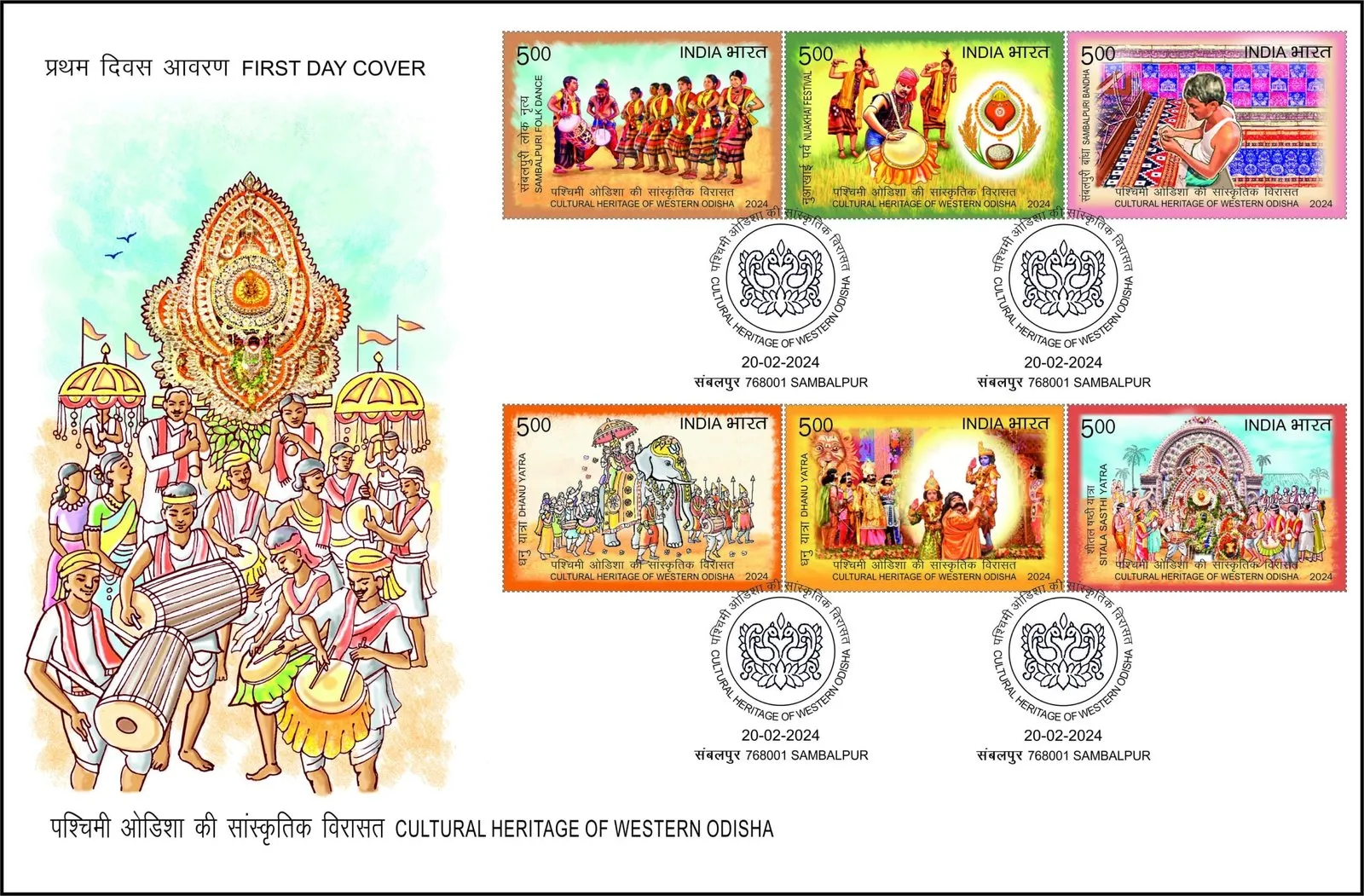
Every winter, the town of Bargarh in Western Odisha undergoes a theatrical transformation that has no parallel. The entire city of Bargarh, spanning over an 8-square-kilometer radius, sheds its modern identity to become a massive stage. The citizens cease to be mere residents; they become active characters in a giant, live-action mythological drama that lasts for 11 days.
This is the Bargarh Dhanu Yatra, officially recognized as the world's largest open-air theatre. Based on the mythological battle between the tyrant King Kansa and Lord Krishna, the festival is a unique celebration where the boundary between actors and audience is erased. It stands as a brilliant monument to the performing arts, regional culture, and history of the Kosal region.
Historical Evolution: Celebrating Freedom and Sovereignty
While the theme of Dhanu Yatra is ancient and drawn from the Bhagavata Purana, the festival itself was established in 1947. The historical context of its origin is deeply symbolic.
As India gained independence from British rule in August 1947, the country celebrated its newfound freedom. In Bargarh, local artists and community leaders sought a unique way to celebrate this milestone. They chose the mythological story of Kansa’s tyrannical rule and his ultimate defeat by Krishna as a metaphor for the end of British imperial rule.
The first Dhanu Yatra was performed in late 1947. King Kansa represented the British Raj, while Krishna represented the spirit of Swaraj (self-rule) and the Indian nation. The festival became an annual event, serving as a reminder of the victory of democracy over autocracy. In 2014, the Government of India's Ministry of Culture granted Dhanu Yatra the status of a National Festival, recognizing its cultural value.
Geography of the Play: Bargarh as Mathura and Jeera River as Yamuna
The most unique aspect of Dhanu Yatra is its geography. Instead of taking place on a wooden stage, the drama uses real towns, rivers, and fields as its sets.
- Bargarh as Mathura: The main town of Bargarh is designated as Mathura, the capital city ruled by Kansa. The local government office building serves as Kansa's royal palace, and a large playground becomes his durbar (royal court).
- Ambapali as Gopapura: The village of Ambapali, located across the river, is transformed into Gopapura (Vrindavan), the peaceful village where Krishna is brought up by Nanda and Yashoda.
- Jeera River as Yamuna: The Jeera River, which flows between Bargarh and Ambapali, becomes the sacred Yamuna River. Important scenes—such as Vasudeva crossing the river to save baby Krishna, and Akrura bringing Krishna to Mathura on a chariot—are performed live in the waters of the Jeera River.
During the 11 days of the festival, all commercial signage, transport routes, and community spaces are adapted to fit this mythological landscape.
The Role of King Kansa: The Theatrical Dictatorship
The central character and the driving force of the Dhanu Yatra is King Kansa. While Krishna is the hero, Kansa is the star of the show. The actor playing Kansa must possess a commanding voice, a large physical frame, and a deep knowledge of scriptures.
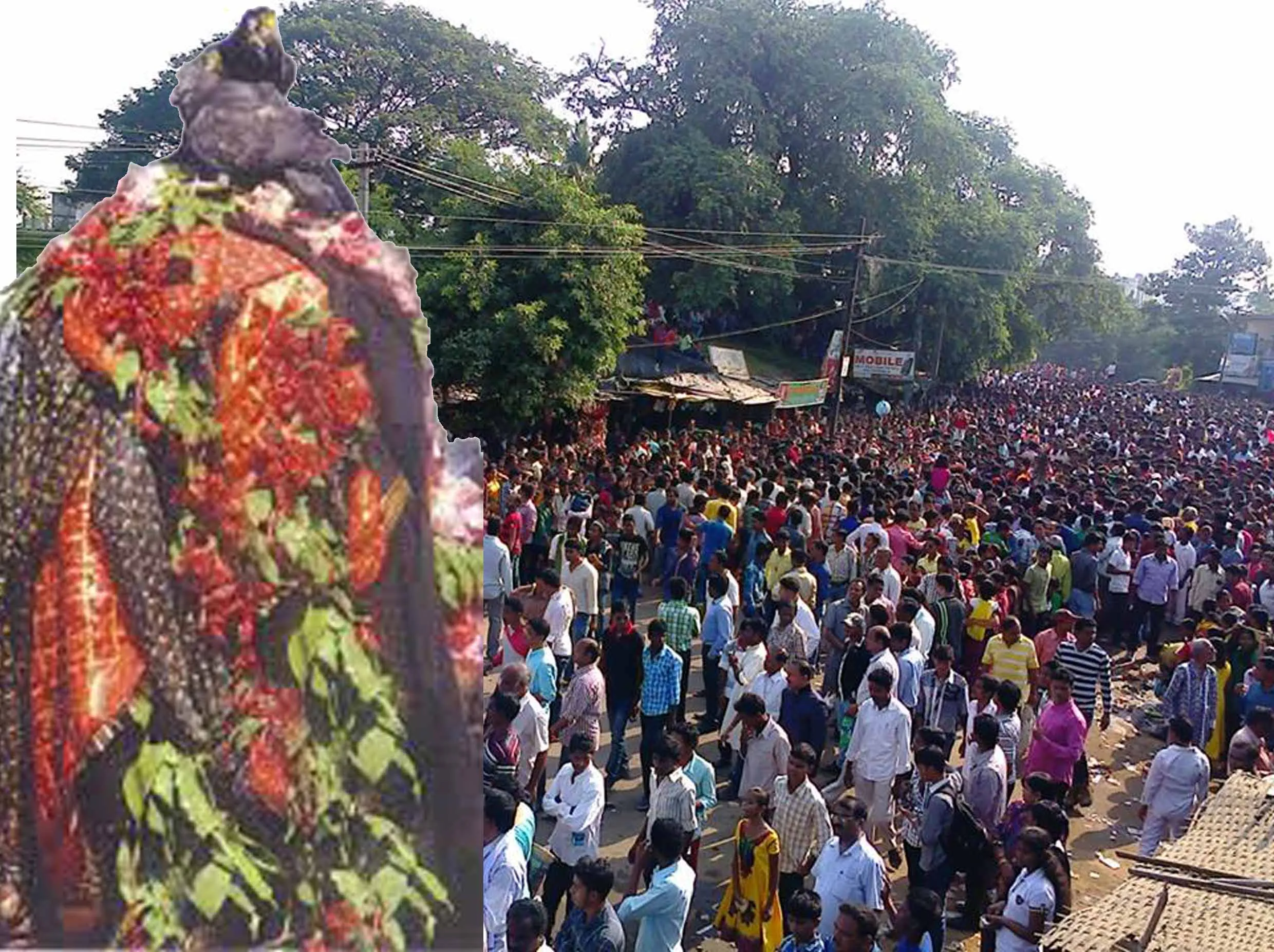
During the festival, the actor playing Kansa is treated as the actual ruler of Bargarh. He rides through the city streets on a decorated royal elephant, flanked by soldiers. By tradition, Kansa has the authority to issue royal decrees and punish local citizens for minor offences.
He regularly visits government offices, including the municipality, police stations, and district courts, to inspect their work. If he finds a public official neglecting their duty or a road in poor condition, he "fines" them on the spot. Even high-ranking government officers, ministers, and political leaders have stood before Kansa’s court, accepted his warnings, and paid symbolic fines. The money collected from these fines is donated to local orphanages and temples.
Local Saying: "During Dhanu Yatra, there are two administrations in Bargarh: the district administration of the Government of Odisha by day, and King Kansa's royal administration by night."
The Narrative Arc: From Krishna's Birth to Kansa's Fall
The performance follows a chronological narrative divided over 11 days:
- Days 1–3 (Birth of the Devourer): The wedding of Kansa’s sister Devaki to Vasudeva, the divine voice prophesying Kansa's death at the hands of Devaki's eighth son, and Kansa imprisoning the couple.
- Days 4–7 (The Child of Gopapura): Krishna's birth, his escape to Gopapura, Kansa’s failed attempts to kill the child using demons (like Putana and Sakatasura), and Krishna's childhood plays in Ambapali.
- Days 8–10 (The Royal Invitation): Kansa organizing the Dhanu Yatra (bow sacrifice festival) in Mathura and sending Akrura to invite Krishna and Balarama to the capital.
- Day 11 (The Fall of the Tyrant): Krishna and Balarama entering Mathura, defeating Kansa's wrestlers (Chanura and Mustika), and Krishna slaying King Kansa. The festival ends with the coronation of Ugrasena as the rightful king.
Cultural and Economic Impact on Bargarh and Western Odisha
Dhanu Yatra is the economic and cultural peak of Bargarh's calendar.
- Tourism Surge: The festival attracts over a million visitors from Odisha, Chhattisgarh, Jharkhand, and West Bengal. Hotels, guesthouses, and homestays are booked months in advance.
- Artisans and Weaver Sales: Bargarh is a major handloom hub. During the festival, massive markets (Meena Bazaar) are set up, generating millions in revenue for local weavers who sell Sambalpuri sarees, fabrics, and terracotta artisans.
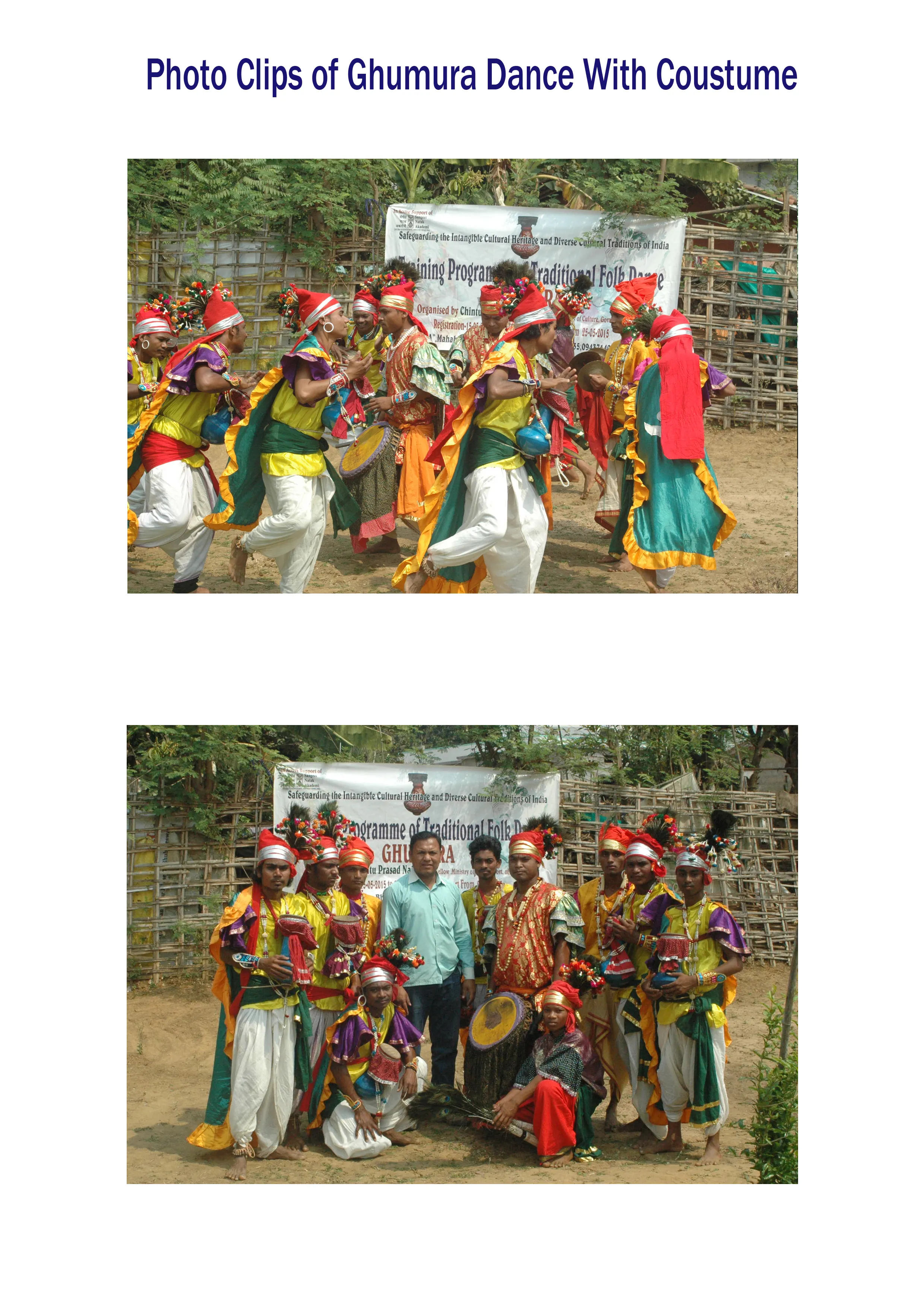
- Performing Arts Revival: Over 3,000 artists participate in various capacities. The festival provides a platform for local folk dances—such as Dalkhai, Rasarkeli, and Sambalpuri folk music—to perform before large audiences.
Key Metrics of Bargarh Dhanu Yatra
| Parameter | Metric | Details |
|---|---|---|
| Total Area | 8 Square Kilometers | Entire town of Bargarh + Ambapali village |
| Duration | 11 Days | Annual winter festival |
| Number of Stages | 14 Active Locations | Includes streets, palaces, riverbeds, and courts |
| Participant Count | 1,000,000+ | Includes tourists and local resident actors |
| Unique Feature | Extempore dialogues | No written script is used during the yatra |
Bargarh Dhanu Yatra is a majestic monument to the power of community storytelling, proving that a town's love for its heritage can turn a myth into a living, breathing reality every winter. Preserving this unique open-air theatre is vital for the cultural heritage of Western Odisha.
When is Bargarh Dhanu Yatra celebrated?
The festival is held annually in December or January, starting after the Dhanu Sankranti and concluding on the Pausha Purnima according to the Hindu lunar calendar.
Do the actors speak from a written script?
No. The dialogue is entirely extempore and improvised. While the mythological storyline is followed strictly, the actors formulate their own dialogue on the spot, including Kansa's interactions with public officials.
Is Kansa allowed to fine anyone?
Yes. By local tradition, King Kansa roams the town on his royal elephant and can fine citizens, bureaucrats, police officers, and politicians for minor civic infractions. The collected fines are donated to charity.
Debraj Meher
District Correspondent, Sambalpur
Debraj Meher reports on Sambalpur district's civic affairs, the Hirakud dam command area, and the region's handloom economy. He has been the Mirror's Sambalpur correspondent since 2021.
View all articles by Debraj →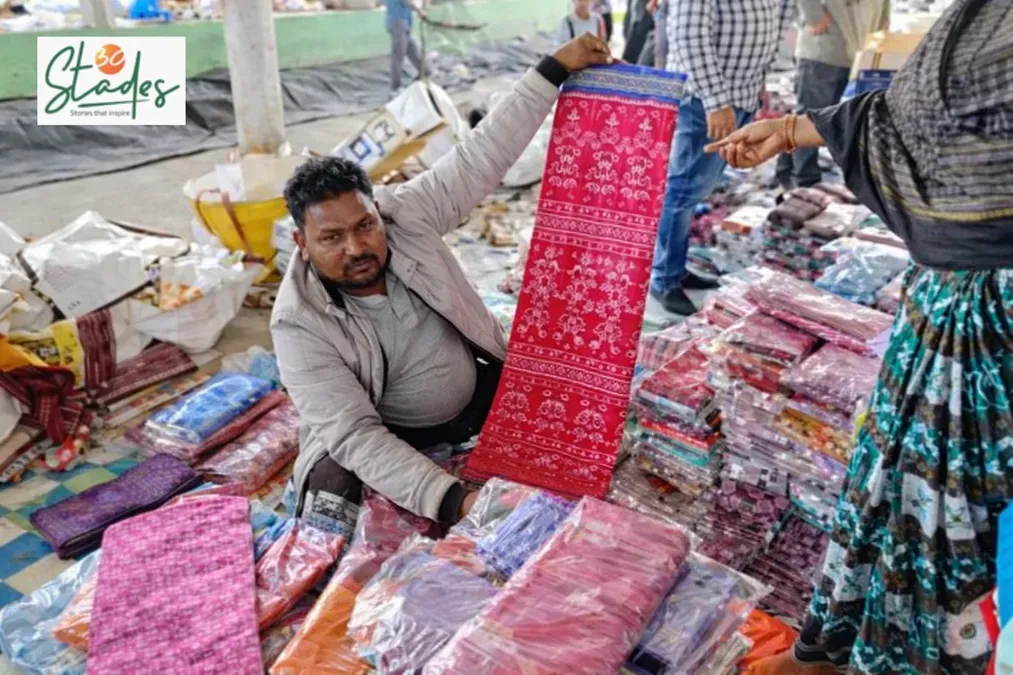
Loading…