

Dharmendra Pradhan rebuts Naveen Patnaik over MMDR Amendment Bill 2026
Dharmendra Pradhan accuses Naveen Patnaik of misleading Odisha over the MMDR Amendment Bill 2026, citing mining revenue growth from Rs 5,000 crore to Rs 50,000 crore.
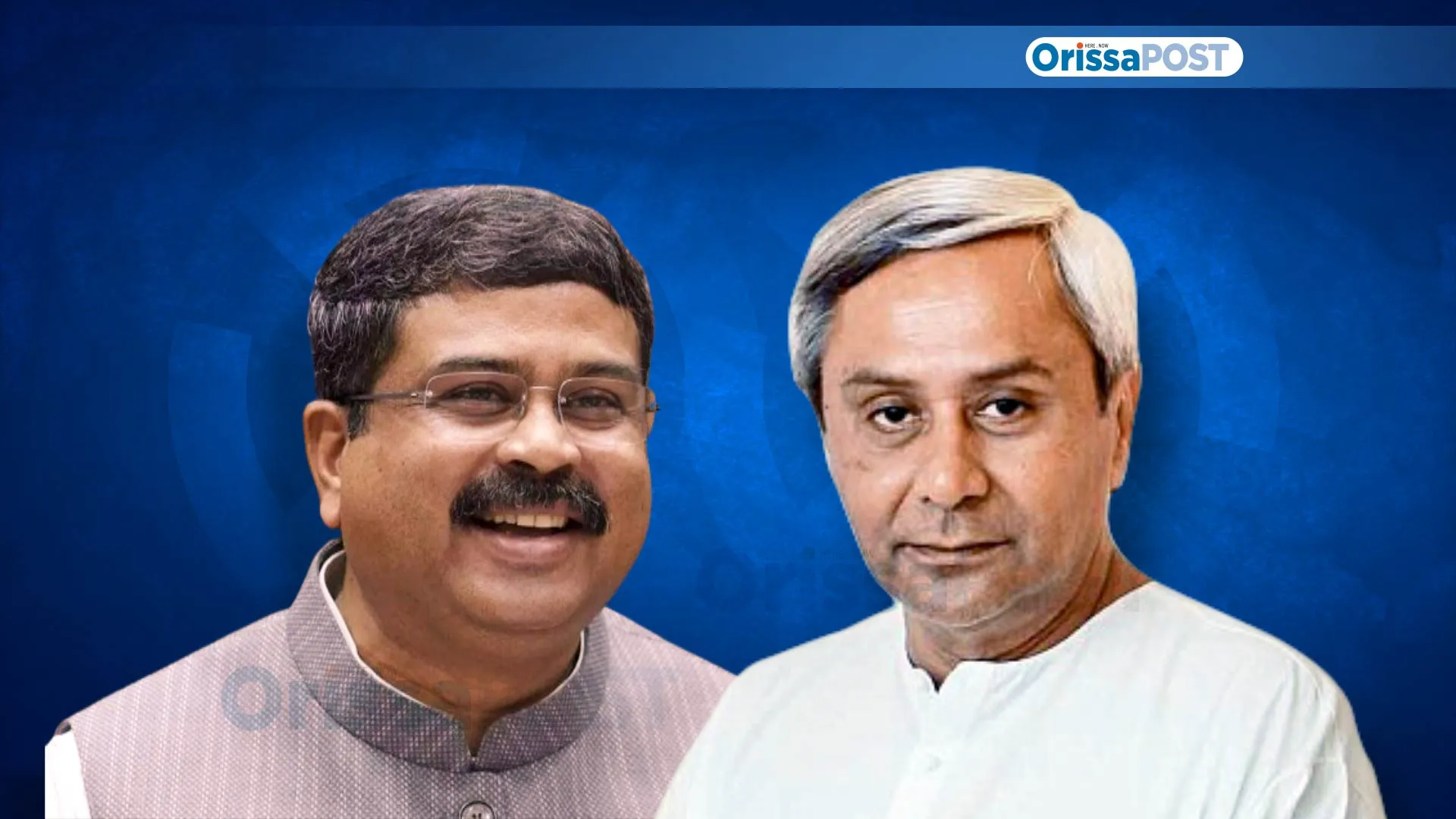
Sambalpur MP and former Union Minister Dharmendra Pradhan has strongly rebutted former Odisha chief minister Naveen Patnaik's opposition to the Mines and Minerals (Development and Regulation) Amendment Bill, 2026, accusing the BJD leader of misleading the people of Odisha for political mileage. Responding through a video message to Patnaik's earlier video statement, Pradhan said political differences were acceptable but hiding facts and misleading the public was not. The exchange centres on whether the proposed legislation undermines Odisha's rights over its mineral resources, as Patnaik alleged, or protects mineral-rich states by capping cumulative taxation, as Pradhan argued.
What does the MMDR Amendment Bill propose?
Pradhan described the proposed amendments as a significant step toward strengthening India's mineral security and protecting the long-term economic interests of mineral-rich states such as Odisha. He said states had earlier imposed multiple forms of taxation on mining operations, creating a cumulative burden on the sector. According to Pradhan, Section 9D of the proposed framework seeks to establish a clear ceiling on the overall tax burden while retaining core revenues accruing to states. He argued the measure would prevent excessive and overlapping taxation from making mining operations financially unviable, and would help address concerns over the closure of mining and industrial units in districts including Keonjhar, Sundargarh, Jharsuguda, Angul and Jajpur, thereby safeguarding employment and livelihoods dependent on those sectors.
How does Pradhan respond to claims Odisha will lose revenue?
Rejecting allegations that Odisha would lose financially because of the Bill, Pradhan said the state would continue to receive 100 per cent of auction premiums, royalty and District Mineral Foundation (DMF) contributions due to it. He argued that a uniform mining taxation framework across the country would improve the ease of doing business, promote greater predictability for the mining sector and strengthen the financial position of mineral-producing states. Pradhan also warned against imposing what he described as arbitrary taxes of 70-80 per cent on minerals, saying such a burden could sharply increase prices of iron, coal and cement, affecting supply chains, industries and infrastructure development, and making housing construction and vehicle purchases more expensive for middle-class families in Odisha.
What mining revenue figures does Pradhan cite?
A major part of Pradhan's response focused on Odisha's mining revenue before and after reforms introduced by the Narendra Modi government. He said the state's annual mineral revenue was around Rs 1,000 crore in 2004 and had increased to approximately Rs 5,000 crore by 2014. Pradhan attributed the subsequent sharp rise to mining-sector reforms, including the 2015 amendments to the MMDR Act that made auction-based allocation mandatory, replacing discretionary allocation. He also cited an increase in ad valorem royalty from 10 per cent to 15 per cent and the establishment of the DMF mechanism. "Because of these transparent policies, mineral revenue that had remained at around Rs 5,000 crore has increased tenfold and has now reached approximately Rs 50,000 crore," Pradhan claimed, adding that Odisha had received around Rs 37,000 crore through DMF funds.
What example does Pradhan give for iron ore revenue?
To substantiate his argument, Pradhan gave an example involving iron ore. He said if the average selling price of iron ore was Rs 3,000 per tonne, Odisha would receive approximately Rs 3,300 as auction premium — equivalent to 110 per cent of the sale value — along with Rs 450 as ad valorem royalty and Rs 45 towards DMF. Together, these components would result in around Rs 3,795 per tonne flowing into the Odisha government's treasury, he said. Pradhan questioned whether the rise in mineral revenue should be viewed as a gain for the Centre or for the state, arguing that reforms had substantially strengthened Odisha's own revenues.
What is Pradhan's criticism of BJD's mining tax position?
Pradhan criticised the BJD over its references to the Orissa Rural Infrastructure and Socio-Economic Development Act, which the party has cited in its argument over mining taxation. He said the legislation was introduced by the BJD government in 2004 and was struck down by the High Court in 2005. According to Pradhan, the matter remained pending before the Supreme Court from 2006 until 2024, during which, he alleged, the then state government failed to take effective action.
What does Pradhan say about Odisha's debt under Patnaik?
The BJP leader also challenged Patnaik to examine the economic record of his 24-year tenure before criticising the Modi government. Pradhan said Odisha's total debt stood at around Rs 18,000 crore in 2000, when Patnaik assumed office, with per-capita debt at approximately Rs 6,000. By 2024, he claimed, the state's total debt had risen to more than Rs 96,000 crore, while per-capita debt had increased to around Rs 26,000. "Is this Naveen Babu's economic reform?" Pradhan asked, questioning the financial management record of the previous government. Pradhan also invoked Prime Minister Narendra Modi's emphasis on the development of eastern India and Odisha.
Related Coverage
What is the MMDR Amendment Bill 2026?
The Mines and Minerals (Development and Regulation) Amendment Bill, 2026 proposes a uniform mining taxation framework with a ceiling on overall tax burden under Section 9D, while retaining core state revenues like auction premiums, royalty and DMF contributions.
Why does Naveen Patnaik oppose the MMDR Bill?
Patnaik alleged in a video message that the Centre is attempting to take away Odisha's rights over its mineral resources through the proposed legislation.
What mining revenue growth does Dharmendra Pradhan claim for Odisha?
Pradhan claims Odisha's annual mineral revenue rose from around Rs 5,000 crore in 2014 to approximately Rs 50,000 crore currently, a tenfold increase he attributes to Modi government reforms including mandatory auction-based allocation and higher royalty rates.
How much has Odisha received through District Mineral Foundation funds?
Pradhan stated Odisha has received around Rs 37,000 crore through DMF funds since the mechanism was established.
What debt figures does Pradhan cite for Odisha under Naveen Patnaik?
Pradhan claims Odisha's total debt rose from around Rs 18,000 crore in 2000 to more than Rs 96,000 crore by 2024, with per-capita debt increasing from approximately Rs 6,000 to around Rs 26,000.
Which districts does Pradhan say benefit from preventing mine closures?
Pradhan named Keonjhar, Sundargarh, Jharsuguda, Angul and Jajpur as mineral-rich districts where mining and industrial unit closures would be averted by the Bill.
What is Pradhan's argument on consumer impact of high mining taxes?
Pradhan warns that arbitrary taxes of 70-80 per cent on minerals could sharply increase prices of iron, coal and cement, making housing construction and vehicles like motorcycles, trucks and tractors more expensive for middle-class families.
Sundargarh Mirror Team
Our staff writers report from across the ten districts of Western Odisha's Kosal region.


Loading…