

Wild Boar Poaching Crackdown: Four Hunters Arrested in Nuapada
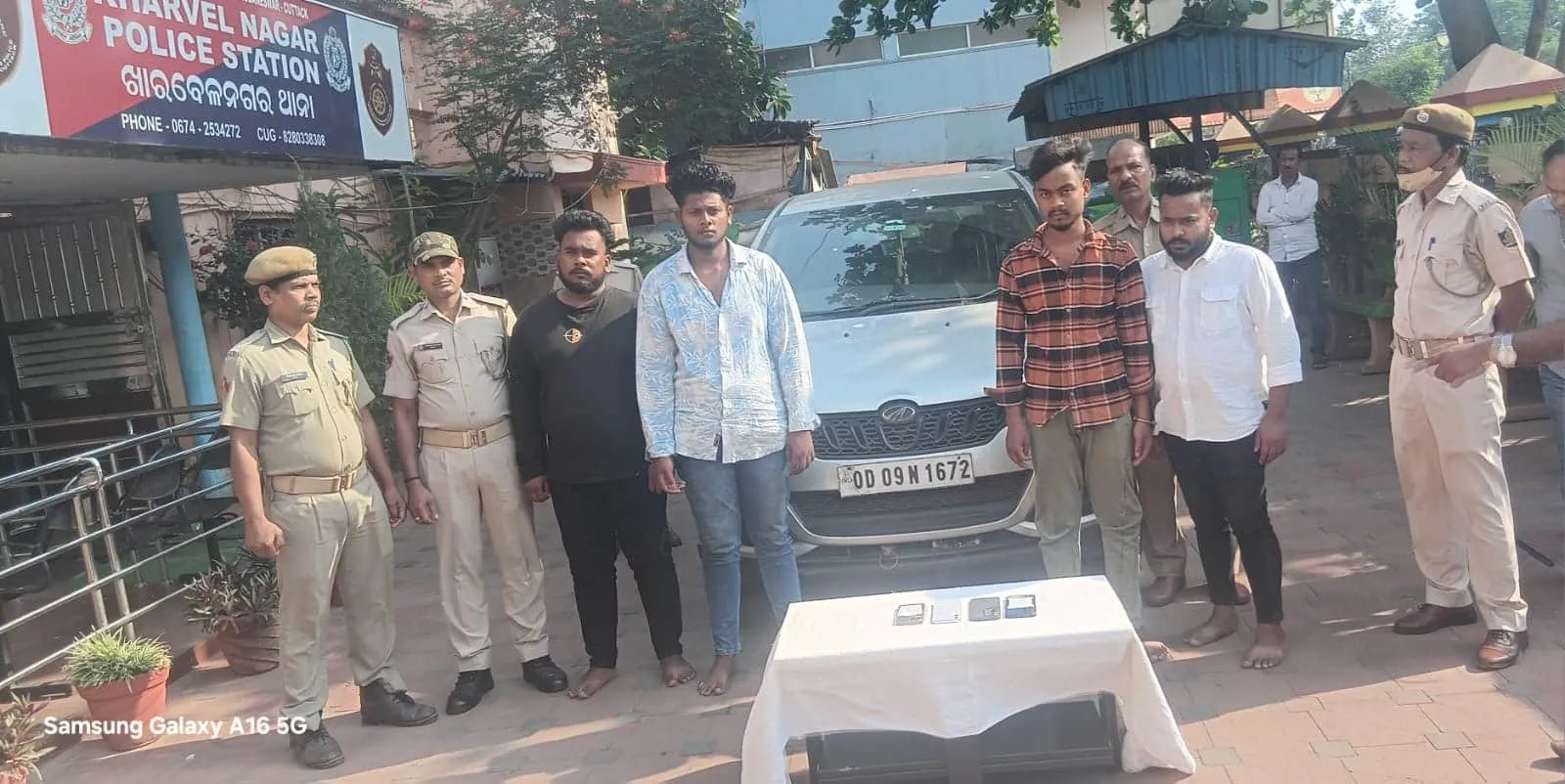
A special forest team in Nuapada uncovered a brutal poaching operation, arresting four men caught using electric wires to trap wild boars—and seizing 2.2 kilograms of meat.

In a dramatic raid that has sent shockwaves through the forest community, four individuals were arrested in Nuapada for allegedly using electric traps to poach a wild boar. The incident, uncovered by a special forest team operating in the Komna forest division, highlights the persistent challenges faced by wildlife conservationists in the region. The operation followed a tip-off that led authorities to Bhalukona village, where the accused were found in possession of meat, sparking a wave of concern over illicit hunting practices.
The arrest has drawn attention to the ongoing battle against wildlife crime in Nuapada, a district known for its unique ecological significance. Stretching along the Chhattisgarh border, Nuapada is home to the Sunabeda tiger landscape—a critical habitat for tigers and other endangered species. The area also boasts the 9th-century Pataleswar temple and the prehistoric rock art of Yogimath, underscoring its cultural and environmental importance. Yet, this ecological treasure seems increasingly vulnerable to illegal activities that threaten its biodiversity.
The forest team, acting swiftly, raided Bhalukona village and found the accused in a paddy yard, where they were in the process of cutting wild boar meat. The seized 2.2 kilograms of meat, along with evidence of electric wires used for trapping, has intensified scrutiny over the group’s methods. Somnath Sahu (51), Madhab Majhi (26), Bhuvan Majhi (40), and Dilip Majhi (28) were identified as the key suspects in the case. Forest officials noted that these individuals had previously been arrested six months ago for a similar offense, raising questions about the recurrence of such crimes in the area.
"This operation was a necessary step to protect our wildlife and send a strong message to those who engage in illegal hunting," said a senior forest official, who wished to remain anonymous. The use of electric traps, a method increasingly favored by poachers, poses a severe risk to both animal life and the ecosystem. These devices, which deliver lethal shocks, are notoriously difficult to detect and can harm not only targeted species but also other wildlife that stray into the traps.
The case has reignited discussions about the broader implications of wildlife crime in Nuapada. Conservationists argue that the district’s rich biodiversity must be safeguarded, particularly in light of the Sunabeda tiger landscape’s role as a vital corridor for tiger populations. "Every poaching incident is a step back for conservation," remarked a wildlife expert from the Odisha Forest Department. "We need stricter enforcement and community engagement to deter such activities." The recent arrest, while a victory for enforcement agencies, has also exposed gaps in the system that allow repeat offenders to evade consequences.
The accused, now produced before the court, face charges related to wildlife preservation violations. Their prior arrest and subsequent court appearance six months ago raise concerns about the effectiveness of legal deterrents. Forest officials have emphasized that this case is part of a larger strategy to curb illegal hunting, which they describe as a "grave threat to the region’s ecological balance." The department has pledged to increase patrols and employ advanced technology to monitor sensitive areas, including the use of drones and thermal imaging cameras.
Local communities, however, remain divided. While some applaud the raid, others express frustration over the lack of tangible benefits from conservation efforts. "The forest department has caught these poachers, but what about the livelihoods of people who depend on the forest for survival?" asked a village elder in Bhalukona. "We need solutions that don’t criminalize the poor." This sentiment reflects a growing tension between conservation mandates and the socio-economic realities of rural populations in Nuapada.
The incident has also prompted a reevaluation of wildlife protection laws in the state. Advocates for stronger legal frameworks argue that current penalties for poaching are insufficient to deter criminals. "The punishment must be proportionate to the damage caused," said a legal analyst. "Without harsher consequences, repeat offenders will continue to operate with impunity." The case has also drawn the attention of environmental organizations, which have called for increased funding for conservation programs and better coordination between law enforcement and local communities.
As the trial proceeds, the focus remains on the broader implications of the arrest. The use of electric traps, while effective for poachers, has sparked debates about the ethical and legal ramifications of such methods. Conservationists stress that the long-term damage to ecosystems far outweighs any short-term gains from illegal hunting. "This is not just about protecting a single wild boar or tiger," said the senior forest official. "It’s about preserving an entire ecosystem that supports countless species and sustains the livelihoods of local communities."
Related Coverage
What methods did the poachers use to trap wild boars?
The accused used electric wires, a method that delivers lethal shocks, to trap wild boars. This technique is particularly effective but poses significant risks to wildlife and the broader ecosystem.
How does this case impact wildlife conservation efforts in Nuapada?
The arrest underscores the persistent threat of illegal hunting in the Sunabeda tiger landscape. It highlights the need for stricter enforcement and community engagement to protect the region’s biodiversity, which includes endangered species like tigers.
What legal consequences do the accused face?
The individuals are facing charges under wildlife preservation laws. Their prior arrest six months ago has intensified scrutiny over the legal system’s ability to deter repeat offenses.
Bibhuti Bhusan Sahu
District Correspondent, Nuapada
Bibhuti Bhusan Sahu reports on Nuapada district's border-area development, migration trends, and local governance for the Mirror.
View all articles by Bibhuti →
Loading…