

Ranipur-Jharial Temple Complex: Exploring Balangir's Ancient Chausath Yogini Site
Dive into the history and architecture of the Ranipur-Jharial temple complex in Balangir. Explore the Chausath Yogini open-air temple and the history of Tantrism in Western Odisha.
Introduction: The Sacred Convergence of Ranipur-Jharial
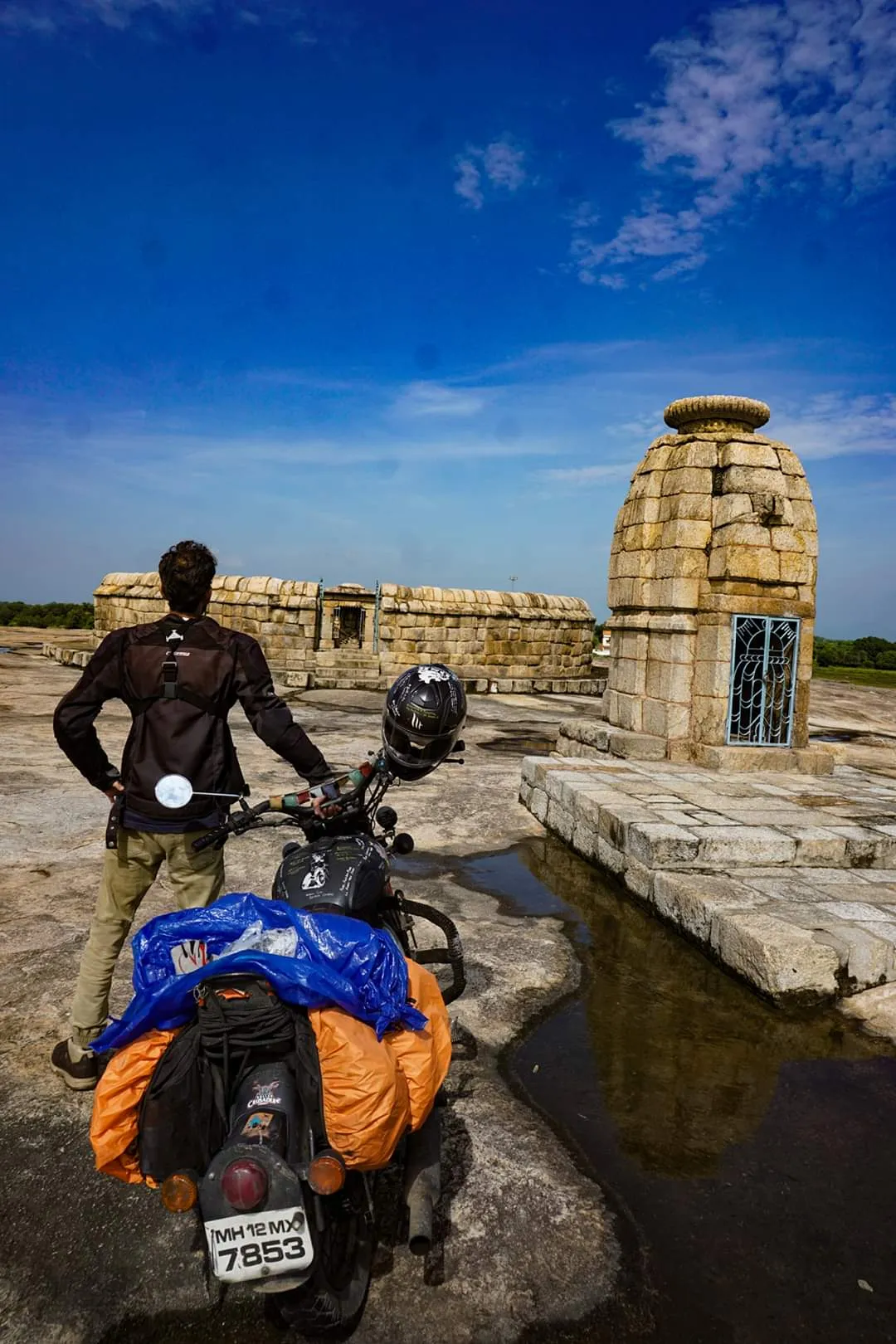
Tucked away in the western corner of Balangir district, Odisha, lie the twin villages of Ranipur and Jharial. To the casual traveler, the landscape appears rural and quiet, but as you approach the massive outcrop of granitic rock rising from the fields, you are transported into one of India’s most significant archaeological sites. Ranipur-Jharial is an ancient temple complex that was once a major pilgrimage hub and a center for Tantric worship in eastern India.
The crowning glory of this rocky hill is the Chausath Yogini Temple, one of only four surviving open-air circular temples of its kind in India. Surrounded by dozens of stone temples dedicated to Shiva, Vishnu, and various tantric deities, Ranipur-Jharial stands as a monumental record of the religious synthesis—Hinduism, Buddhism, and Jainism—that defined the medieval history of the Kosal region.
Historical Context: The Golden Age of Somavamsi Rule
The origin of Ranipur-Jharial dates back to the Somavamsi dynasty (also known as the Panduvamsis of Kosal), who ruled over Western Odisha and Chhattisgarh between the 8th and 10th centuries AD. During this period, the capital of Kosal was situated at Sripur (in modern Chhattisgarh) and later shifted to Sonepur (Subarnapur).
The Somavamsi rulers were devout Saivites, but they also patronized the growing Tantric movements that were sweeping across eastern India. Under their patronage, Ranipur-Jharial developed as a Saiva-Siddhanta monastery and a major learning center. The site was historically referred to as Soma-Tirtha (the sacred pool of Soma), attracting scholars, yogis, and tantric practitioners from across the country.
The twin villages of Ranipur (meaning the queen's town) and Jharial (meaning the stream town) served as the residential and administrative hubs for this large religious establishment, which was built on a massive sheet of granite rock measuring nearly half a mile in length.
Architectural Brilliance of the Chausath Yogini Temple
The Chausath Yogini Temple at Ranipur-Jharial is a masterpiece of early medieval temple design. Unlike traditional temples with spires and closed sanctums, this temple is entirely roofless (hypethral) and circular in shape.
- The Circular Enclosure: The temple is constructed from local sandstone blocks, forming a circular wall with an outer diameter of approximately 50 feet. The wall is relatively low, standing at about 8 feet, and features a narrow entrance on the south.
- The Niches: Built into the inner face of the circular wall are 64 identical, arched niches. Each niche was designed to hold a sandstone statue of one of the 64 Yoginis—celestial demigods representing female energy (Shakti), cosmic forces, and esoteric arts.
- The Centerpiece (Vrishabha Tandava Shiva): At the exact center of the circular courtyard stands a small, roofless pillared pavilion (Mandapa). Inside this pavilion is a magnificent, three-headed, eight-armed statue of Lord Shiva in a dancing posture (Nataraja or Tandava). He is accompanied by his mount, Nandi the bull, at his feet, and Ganesha, who is carved in a corner. Shiva’s presence at the center signifies his role as the master (Bhairava) who controls and directs the yoginis.
Understanding the Yogini Cult and Tantric Traditions in Kosal
The Yogini cult was an esoteric branch of Tantric Hinduism that flourished between the 9th and 12th centuries AD. The Yoginis were seen as powerful, independent female spirits who possessed supernatural powers, including flight, shape-shifting, and control over natural elements.
The roofless design of the temple was crucial for their rituals. Tantric ceremonies were held at night under starlight and moonlight. The open roof allowed the Yoginis to fly down from the heavens and inhabit the stone statues during the rituals.
The statues themselves are carved with exceptional detail. Each Yogini is depicted with a unique voluptuous form, distinct hairstyles, and holding specific weapons or objects (like skulls, severed heads, or tridents). Several Yoginis are represented with animal heads—such as a lion, deer, elephant, or leopard—reflecting their wild, untamed connection to nature and forest lore.
Someswar Temple and the Brick Temples of the Complex
While the Chausath Yogini temple is the most famous, the Ranipur-Jharial rock shelf contains over 50 other structures, showing the architectural evolution of the region:
- Someswar Shiva Temple: Situated near the sacred tank (Soma-Kunda), this is the largest stone temple on the hill. It was constructed by a famous Saiva saint named Gaganasiva in the 9th century. A rare inscription on the temple portal records Gaganasiva's name and confirms that he established the site as a prominent Saiva learning seat.
- The Indralath Brick Temple: Standing tall on the plain surrounding the rock is the Indralath temple, one of the tallest surviving brick temples of ancient Odisha. Built entirely of high-fired red bricks, it is dedicated to Lord Vishnu. The use of brick was a unique feature of Somavamsi builders, who imported the technology from their western territories in Kosal (similar to the Lakshmana temple in Sirpur).
- Multiple Shiva Temples: The rocky slope is dotted with dozens of small, single-room stone temples (rekha deula), resembling miniature spires. These were built by pilgrims and local families as votive offerings, creating a sprawling stone forest on the dark rock.
Comparing Ranipur-Jharial with Hirapur and Khajuraho
India has only four major surviving Chausath Yogini temples. Comparing them helps highlight the unique features of Ranipur-Jharial:
| Feature | Ranipur-Jharial (Balangir) | Hirapur (Near Bhubaneswar) | Chausath Yogini (Khajuraho) |
|---|---|---|---|
| Shape | Circular | Circular | Rectangular |
| Material | Sandstone (coarse) | Chlorite Stone (fine) | Granite (rough) |
| Diameter | ~50 Feet | ~25 Feet | Large Rectangle |
| Central Deity | Dancing Shiva (three heads) | Ten-armed Bhairava | Missing |
| Location | Remote Rocky Outcrop | River Basin Plains | Temple Complex Plain |
While Hirapur is smaller and uses fine, black chlorite stone that is highly preserved, Ranipur-Jharial is much larger and stands on a wild, dramatic rocky landscape that enhances its ancient, mysterious aura.
Tourist Information: How to Explore the Ancient Complex
Ranipur-Jharial is a must-visit destination for anyone interested in archaeology, ancient history, and off-beat travel.
- Getting There: The site is situated 104 kilometers from Balangir town, near the town of Kantabanji.
- By Road: Hire a taxi from Balangir or Titlagarh. The route passes through scenic countryside.
- By Rail: The nearest railway stations are Kantabanji and Titlagarh Junction, both well-connected to major Indian cities.
- Exploring the Site: Plan to spend at least 3 hours at the hill. Wear comfortable shoes as you will be walking on bare, hot rock. The best time to visit is early morning or late afternoon when the sun is not too harsh.
- Photography Tip: The golden hour (just before sunset) casts dramatic shadows on the circular Yogini temple, creating a mystical atmosphere perfect for photography.
Ranipur-Jharial remains a quiet, hauntingly beautiful monument to Western Odisha's medieval heritage, reminding us of a time when the hills of Kosal were a major center of spiritual experimentation.
Why are the Yogini temples circular and open-air?
Circular, roofless designs were standard for Tantric temples because Yoginis were celestial demigods associated with flight, stars, and cosmic circles. The open roof allowed them to descend from heaven during night rituals.
Are all 64 yogini statues still intact at Ranipur-Jharial?
No. Due to centuries of weathering and historical vandalism, some of the sandstones statues are damaged or missing, but many still remain in their original niches, showing distinct postures and animal heads.
Is Ranipur-Jharial an active place of worship today?
The Chausath Yogini circular temple is protected under the ASI and is not an active worship site. However, the nearby Someswar Shiva temple remains active, especially during Shivaratri.
Snehalata Bariha
District Correspondent, Bargarh
Snehalata Bariha covers Bargarh's paddy-belt agriculture, farmer welfare schemes, and the Dhanuyatra festival beat from her base in Bargarh town.
View all articles by Snehalata →


Loading…