

Odisha Police Destroy 108.90 Tonnes of Ganja in Major Anti-Drug Campaign
In a historic crackdown, Odisha Police destroyed over 108.90 metric tonnes of seized ganja during a statewide anti-drug campaign. The operation marked a significant milestone in the state’s ongoing war against narcotics.

The scale of destruction in Odisha’s recent anti-drug drive has sent shockwaves through the region’s illicit drug networks. On July 10, 2026, police officials confirmed the incineration of a staggering 108.90 metric tonnes of cannabis, a record figure that underscores the state’s relentless pursuit of drug-free communities. This operation, conducted as part of the ‘Nishamukta Odisha Abhiyan’ (Drug-Free Odisha Campaign), took place between June 2 and July 10, 2026, under the National Pre-Trial Narcotic Substances Destruction Special Drive. The effort, supervised by Director General of Police Yogesh Bahadur Khurania, not only targeted ganja but also included the destruction of 12.4 kg of brown sugar valued at ₹24.8 crore and 3,631 bottles of cough syrup linked to the black market.
The operation has been hailed as a turning point in Odisha’s decades-long battle against drug trafficking. While cannabis has long been a staple of illicit trade in the region, its large-scale seizure and destruction signal a coordinated, multi-pronged approach by law enforcement. ‘This is not just about numbers; it’s about sending a message to drug mafias and addicts alike that Odisha will not tolerate the proliferation of narcotics,’ said DGP Khurania during a press briefing. His statement reflects a broader strategy aimed at dismantling smuggling networks, curbing production, and rehabilitating users through a comprehensive policy of ‘zero tolerance’ for lawbreakers.
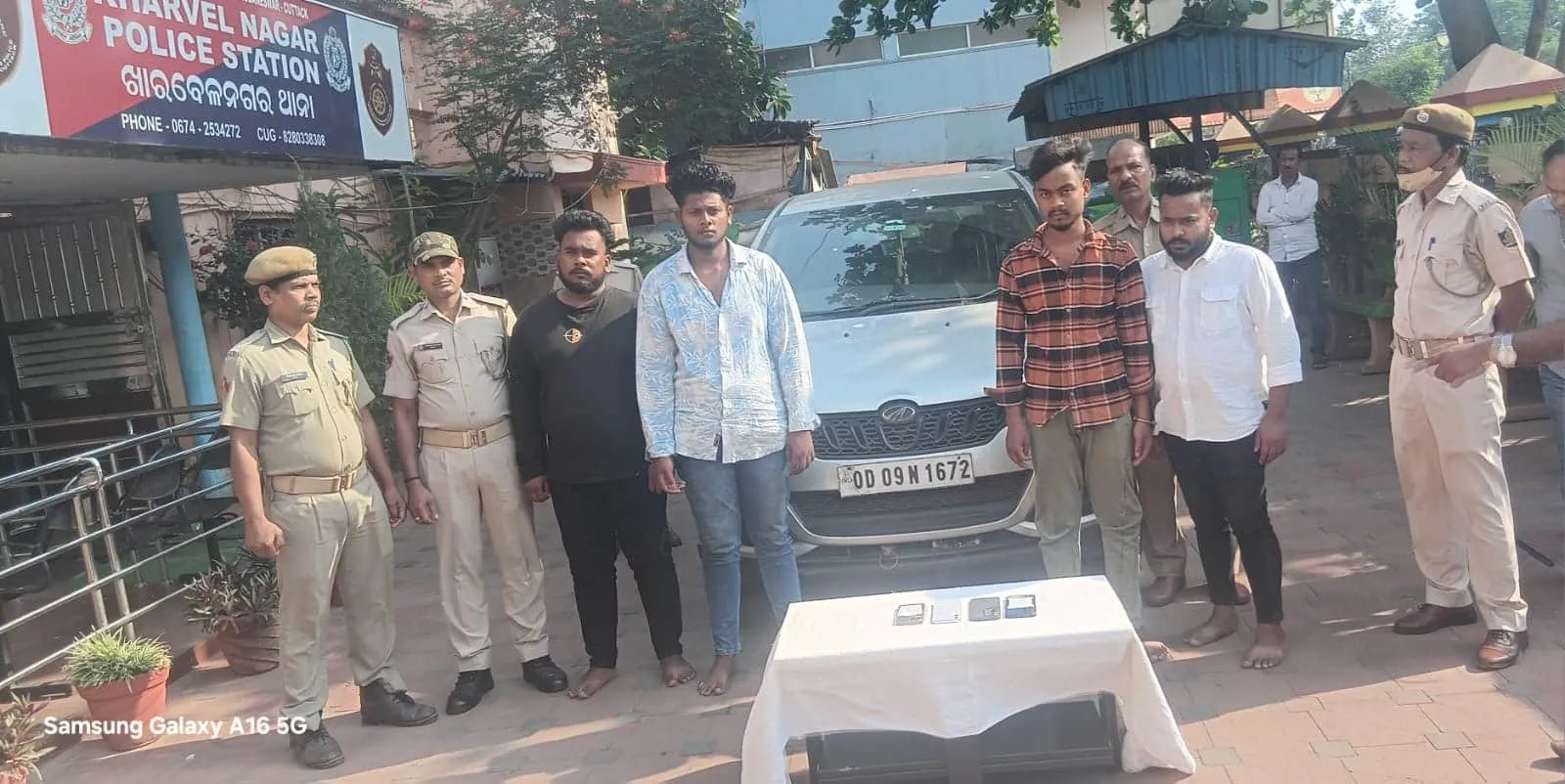
Boudh Police emerged as the standout performers in the campaign, destroying an astonishing 37,484.885 kg of ganja—an amount that alone exceeds the original targets set for the entire state. Districts like Kandhamal and Malkangiri followed closely, with their contributions highlighting the widespread nature of the operation. Police across 24 districts collaborated, including the Special Task Force (STF) of the CID Crime Branch, SRP units, and district-level forces. Their combined efforts not only exceeded initial goals but also exposed the vast infrastructure of drug trafficking that had long thrived in Odisha’s shadowy corners.
The campaign’s success has not been confined to law enforcement alone. On July 1, 2026, over 25,000 citizens across the state raised their hands in a solemn pledge to reject narcotics. This mass anti-narcotics oath, organized in partnership with local authorities, marked a rare moment of unity between police and the public. ‘When people stand together, there’s no challenge we cannot overcome,’ noted a local activist from Boudh, where historic sites like the Rameswar Temple and ancient stupas bear witness to a region’s cultural resilience against modern threats.
The economic impact of the seized narcotics is also staggering. With a street value of ₹544.5 crore, the confiscated ganja alone represents a significant blow to illicit markets. This figure, however, pales in comparison to the human cost of drug addiction, which has plagued Odisha’s rural and urban areas for years. The state’s anti-drug initiatives have increasingly emphasized prevention and rehabilitation, with clinics in districts like Kandhamal and Malkangiri providing support to users and their families. Yet, the sheer volume of seizures suggests that the demand for narcotics remains alarmingly high, particularly in regions with limited economic opportunities.
Critics, however, have raised questions about the sustainability of such large-scale operations. ‘We must ask: What happens to the thousands of people who rely on ganja cultivation for their livelihoods?’ asked a farmer from the Malkangiri region, where illegal farming has historically been a part of the local economy. The police, however, have emphasized that their focus remains on dismantling networks while encouraging legal alternatives. In Boudh, for instance, efforts to promote Dhokra metal casting and agricultural cooperatives have gained traction, providing artisans and farmers with avenues to thrive without resorting to illicit activities.
The destruction of seized narcotics has also sparked a broader conversation about Odisha’s role in India’s anti-drug landscape. With its unique geographical position along the Mahanadi River and its proximity to Nepal, the state has often been a conduit for opium and cannabis trafficking. Yet, this campaign marks a shift in strategy: rather than merely intercepting drugs at borders, the police have turned their attention to root causes, including poverty, lack of education, and political corruption that enables trafficking networks to flourish. ‘Our fight is not just against drugs—it’s against the systemic issues that allow them to thrive,’ said DGP Khurania, outlining a multi-year plan to integrate drug-free policies with economic development.
As the smoke from the incineration sites clears, the impact of this campaign is already visible. Local markets in Boudh and nearby districts report a noticeable drop in cannabis prices, a clear indication that supply has been significantly disrupted. Yet, challenges remain. With drug mafias known for their adaptability, law enforcement acknowledges that this is only the beginning. ‘The battle for a drug-free Odisha is far from over, but today’s victory proves that we are on the right path,’ Khurania concluded, his words echoing through a state poised for change.
What was the total weight of seized ganja destroyed in the campaign?
Odisha Police destroyed 108.90 metric tonnes (108,904.9 kg) of seized ganja during the National Pre-Trial Narcotic Substances Destruction Special Drive.
Who led the anti-drug initiative in Odisha?
Director General of Police Yogesh Bahadur Khurania oversaw the operation, with coordination from 24 police districts and the Special Task Force (STF).
How did the public participate in the campaign?
Over 25,000 citizens across Odisha participated in a symbolic anti-narcotics oath on July 1, 2026, pledging to reject drug use and support law enforcement.
Tapan Kumar Sahoo
District Correspondent, Boudh
Tapan Kumar Sahoo reports on Boudh district's education sector, road and infrastructure projects, and community affairs.
View all articles by Tapan →
Loading…