

NTPC studying Deogarh, Nabarangpur sites for 3,200 MW nuclear plant
NTPC Ltd is conducting feasibility studies at two sites in Odisha’s Deogarh and Nabarangpur districts for a proposed 3,200 MW nuclear power plant.
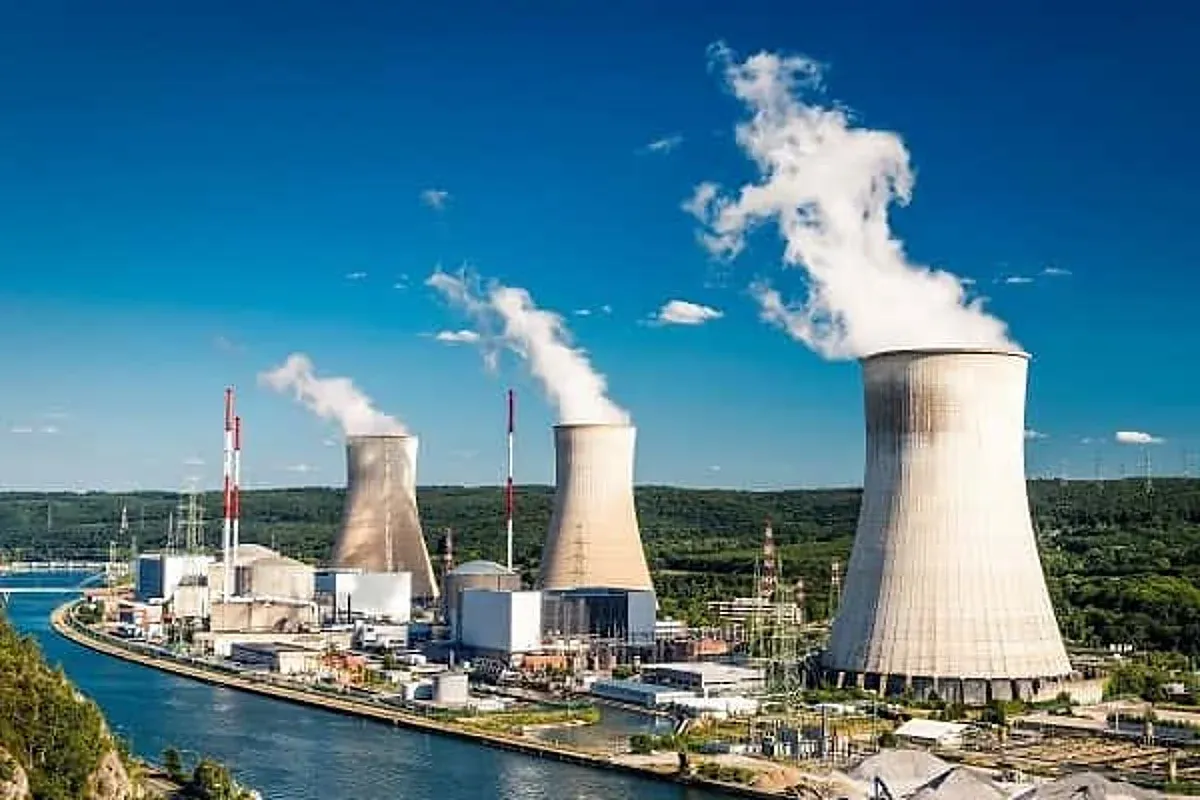
Feasibility studies are being conducted for a proposed nuclear power project. Officials announced the progress, noting that some initially identified sites were deemed unsuitable during preliminary assessments. The project is being developed.
Which districts are under consideration for the nuclear project?
Applications were made for potential sites across Odisha for a nuclear project. However, preliminary assessments ruled out some locations as unfeasible, narrowing the focus. Officials confirmed that feasibility studies are currently underway. Deogarh is a region where environmental and safety considerations are highly sensitive.
Additional chief secretary (energy) Vishal Kumar Dev said that NTPC Ltd had initially identified four potential sites, but two were found unsuitable during preliminary assessments. “They had applied for four sites. Out of these, two sites have not been found feasible. Studies are now being carried out in Deogarh and Nabarangpur districts,” Dev said. He was responding to media queries in the presence of Governor Hari Babu Kambhampati during an event marking Lok Bhavan’s achievement of IGBC Platinum Green Campus certification. Dev added that NTPC, in partnership with Nuclear Power Corporation of India Ltd (NPCIL), has proposed setting up a 3,200 MW nuclear power plant in Odisha. An NTPC Ltd official said feasibility studies are underway and initial assessments appear encouraging.
The Governor, Hari Babu Kambhampati, speaking on the prospects of nuclear energy at the same event, said, “It could emerge as an important and economical source of power in the future, provided all safety measures are strictly followed.” He emphasized that any move toward nuclear power must be accompanied by rigorous safety protocols.
What are the state government's safety and environmental assurances?
Public safety and environmental protection are considered in the state's evaluation of the nuclear proposal. Officials emphasized that there will be no compromise on safety and security aspects as the state explores cleaner energy sources. The assurances were made during a press briefing. It was noted that nuclear energy could emerge as an important and economical source of power in the future, provided all safety measures are strictly followed.
Dev stressed that public safety and environmental safeguards would remain paramount in evaluating any nuclear power proposal. “There will be no compromise on safety and security aspects,” he said, adding that the state is exploring cleaner energy sources to meet its growing power requirements while pursuing long-term sustainability goals.
What is the private sector's role in Odisha's nuclear ambitions?
Private conglomerates are proposing nuclear projects in the state. A conglomerate has approached the state government with a proposal for nuclear power plants as part of a clean-energy investment plan. This broader plan also includes other projects to bolster long-term energy security. Separately, it has proposed establishing nuclear power units, though the exact investment size remains undisclosed.
Tata Group and Adani Group have approached Odisha govt with proposals to set up nuclear power projects in the state, signalling growing private-sector interest in India’s expanding nuclear energy sector. It may be mentioned here that Adani Group has proposed two nuclear power plants with a combined capacity of 6,000 MW as part of a broader clean-energy investment plan of around ₹1.5 lakh crore in Odisha. The proposal also includes pumped storage and floating solar projects aimed at strengthening long-term energy security.
Tata Group has separately proposed setting up four nuclear power units of 200 MW each in Malkangiri district. Officials said details of the investment size are yet to be disclosed.
How does this fit into Odisha's long-term energy vision?
The proposed nuclear projects align with Odisha's long-term strategic roadmap. The state's plan identifies a technology for the future. The objective is to position Odisha as an energy hub, leveraging a mix of thermal, renewable, and nuclear power to sustain economic growth.
Odisha’s Vision 2036 and 2047 roadmap identifies Small Modular Reactors (SMRs) as a promising technology for the future, with the long-term goal of positioning Odisha as a major energy hub. The state is pursuing a diversified energy portfolio that includes thermal, renewable, and now nuclear options to meet increasing demand and ensure energy security.
Officials said that as Odisha’s power requirements grow, the exploration of nuclear energy is part of a broader strategy to achieve long-term sustainability while maintaining stringent safety and environmental standards.
Where is NTPC proposing to set up the 3,200 MW nuclear power plant?
NTPC is conducting feasibility studies in the Deogarh and Nabarangpur districts of Odisha.
How many sites were initially identified by NTPC?
NTPC initially identified four potential sites, but two were found to be unfeasible during preliminary assessments.
Which companies are partnering for this nuclear project?
NTPC Ltd is conducting the studies in partnership with the Nuclear Power Corporation of India Ltd (NPCIL).
What private sector proposals have been made for nuclear power in Odisha?
The Adani Group has proposed two nuclear plants with a combined capacity of 6,000 MW, and the Tata Group has proposed four 200 MW units in Malkangiri.
What did Governor Hari Babu Kambhampati say about nuclear energy?
He stated that nuclear energy could emerge as an important and economical source of power in the future, provided all safety measures are strictly followed.
What is Odisha's long-term vision regarding nuclear energy?
Odisha’s Vision 2036 and 2047 roadmap identifies Small Modular Reactors (SMRs) as a promising technology, aiming to position the state as a major energy hub.
Manisha Naik
District Correspondent, Deogarh
Manisha Naik covers Deogarh's forest and wildlife beat, rural development, and local governance, reporting from the district headquarters.
View all articles by Manisha →
Loading…