

NIT Rourkela develops biodegradable film to replace healthcare plastic
NIT Rourkela researchers have developed a biodegradable, antimicrobial film from bacterial bioplastic and neem oil to replace plastic in healthcare products.
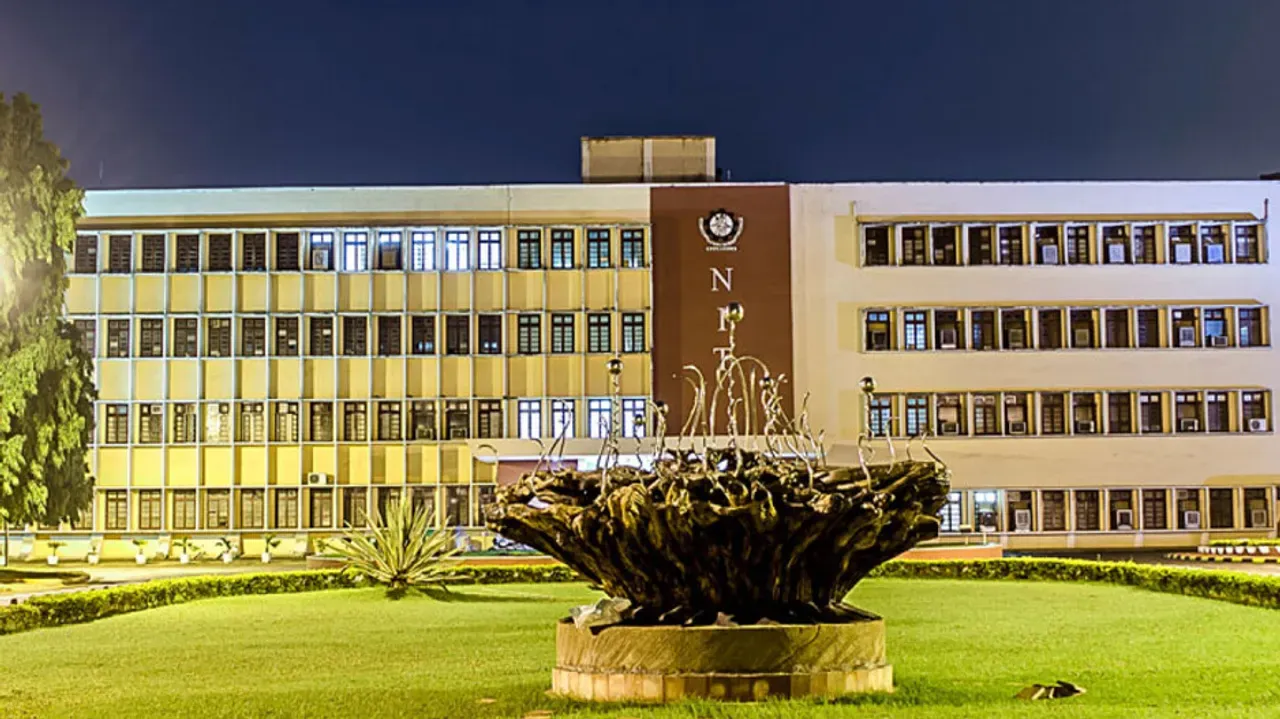
Researchers at the National Institute of Technology (NIT) Rourkela have developed a biodegradable bio‑composite film that could replace petroleum‑based plastics in healthcare items such as wound dressings, bandages and antimicrobial coatings. The innovation, led by Dr. Angana Sarkar, Associate Professor, and research graduate Dr. Pritam Bajirao from the Department of Biotechnology and Medical Engineering, has been awarded Indian Patent No. 594073. The film combines a bacterial bioplastic derived from sugarcane molasses with neem oil to improve strength, flexibility and antimicrobial properties.
The research team has secured an Indian patent titled 'Biodegradable and Antimicrobial Bio-composite Film and Process for Preparing Thereof' (Patent No. 594073).
How does the film overcome limitations of existing biodegradable plastics?
Conventional healthcare products such as wound dressings and bandages are largely made from petroleum‑based plastics. These plastics contribute significantly to environmental pollution after disposal. Although biodegradable plastics have emerged as alternatives, their widespread adoption has been hampered by poor flexibility and slow degradation. The NIT Rourkela team sought to overcome these limitations by developing a new bio‑composite material. They produced a bioplastic using bacteria that were cultivated on sugarcane molasses. The bioplastic was then blended with naturally extracted neem oil to enhance the film’s mechanical strength, flexibility, thermal stability and water resistance.
What are the potential applications and cost of the new material?
According to Dr. Angana Sarkar, laboratory tests showed that the bio‑composite film offers improved mechanical strength, flexibility, thermal stability and water resistance. These properties make the film suitable for biomedical applications such as wound dressings and bandages. The presence of neem oil also helps inhibit bacterial growth, creating a favourable environment for wound healing. Researchers highlight potential uses in antimicrobial films, medical coatings, plastic‑free bandages and other sustainable healthcare products. The team estimates the production cost of the film at approximately ₹14.33 for a 44.18 sq cm sheet. This low cost indicates strong potential for cost‑effective large‑scale manufacturing.
How does the innovation align with national initiatives?
The innovation supports the Government of India’s Atmanirbhar Bharat initiative by promoting domestically developed sustainable materials. Additionally, the film fits within the National BioE3 Policy framework that focuses on biodegradable materials for environmental and economic benefits. By replacing petroleum‑based plastics in healthcare products, the film can help cut down healthcare‑related plastic waste. The researchers note that securing an Indian patent underscores the novelty and potential for scaling the technology under national self‑reliance goals.
Related Coverage
Who developed the biodegradable film at NIT Rourkela?
Dr. Angana Sarkar, Associate Professor, and research graduate Dr. Pritam Bajirao from the Department of Biotechnology and Medical Engineering developed the film.
What is the patent number for the biodegradable and antimicrobial bio‑composite film?
Indian Patent No. 594073.
What materials are used to make the film?
The film is made from a bacterial bioplastic produced by growing bacteria on sugarcane molasses, blended with naturally extracted neem oil.
What improvements does the neem oil bring to the film?
Neem oil enhances the film’s strength, flexibility, thermal stability and water resistance, and also provides antimicrobial properties that inhibit bacterial growth.
What are the potential healthcare applications of the film?
The film can be used in antimicrobial films, medical coatings, plastic‑free bandages, wound dressings and other sustainable healthcare products.
What is the estimated production cost of the film?
Approximately ₹14.33 for a 44.18 sq cm sheet.
How does the film address limitations of existing biodegradable plastics?
It improves flexibility and degradation rate by using a bacterial bioplastic from sugarcane molasses and adding neem oil to boost strength and flexibility.
Which national initiatives does the innovation support?
It supports the Government of India’s Atmanirbhar Bharat, Make in India and National BioE3 Policy initiatives.
Why is replacing petroleum‑based plastics in healthcare important?
Conventional healthcare plastics contribute significantly to environmental pollution after disposal, and biodegradable alternatives help reduce this waste.
What properties make the film suitable for biomedical use?
The film offers improved mechanical strength, flexibility, thermal stability, water resistance and antimicrobial activity, making it appropriate for wound dressings and similar applications.
Ansuya Minz
Senior District Correspondent, Sundargarh
Ansuya Minz has covered Sundargarh district for six years, reporting on the steel belt's industry, tribal welfare policy, and the Rourkela sports ecosystem. She is based in Rourkela.
View all articles by Ansuya →
Loading…