

AK-47, IED recovered from Maoist dump in Sundargarh’s Silkuta Forest
Security forces in Sundargarh recovered an AK-47, IED container and other arms from a four‑year‑old Maoist dump in Silkuta Reserve Forest based on intel from surrendered Naxals.
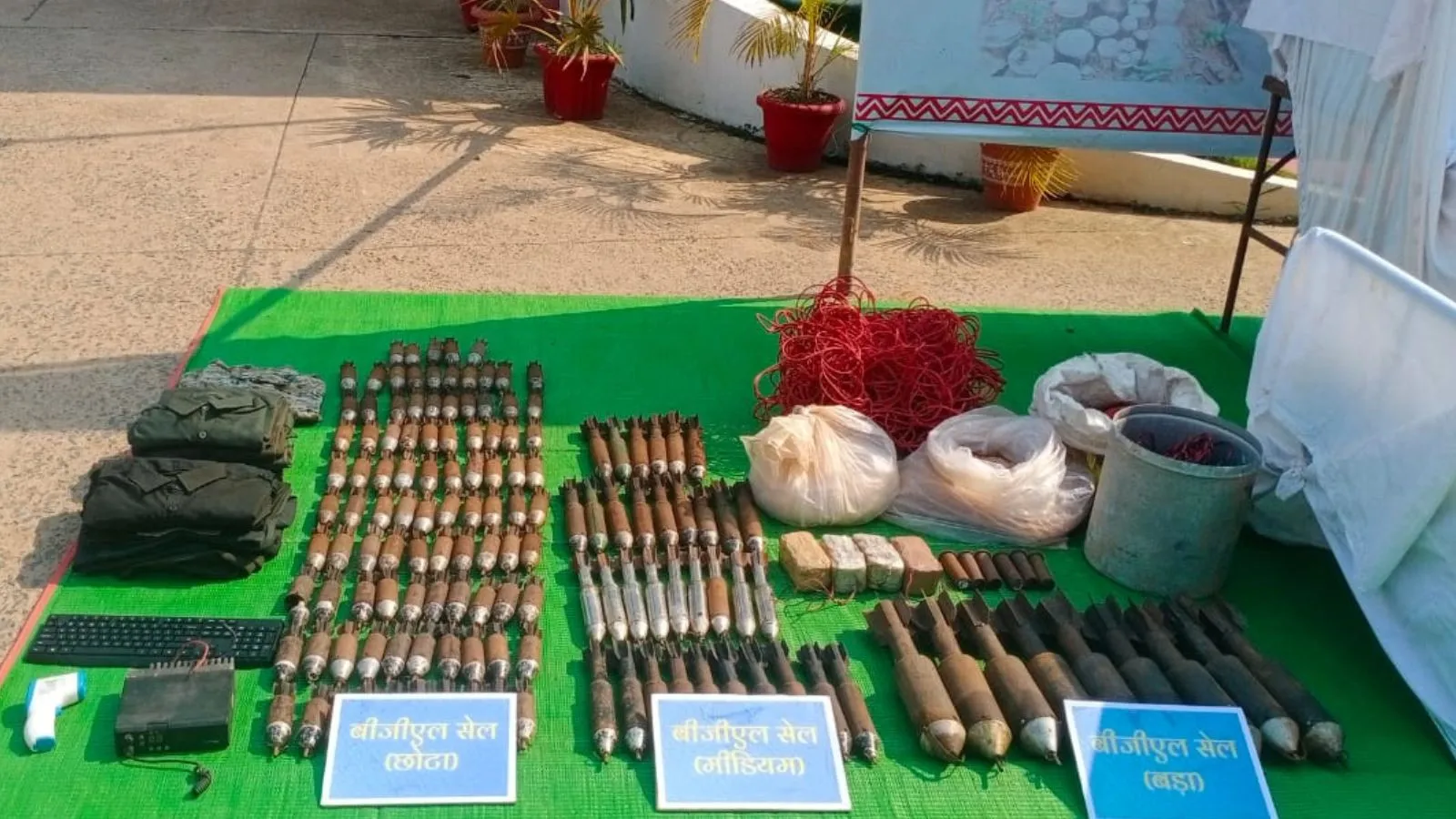
Security forces in Odisha’s Sundargarh district recovered a substantial cache of arms, ammunition, explosives and communication equipment from a concealed Maoist dump in Silkuta Reserve Forest. The District Voluntary Force and Bomb Detection and Disposal Squad acted on intelligence obtained during the interrogation of surrendered Naxals to locate the four‑year‑old hideout under K. Balang police station limits. The recovered items included an AK‑47 rifle, a CM 9mm 1A1 carbine, an IED container, detonators, magazines, ammunition and various communication devices. Officials said the seizure disrupts Maoist logistics and provides leads for further anti‑insurgent operations.
What was recovered and how was it located?
The cache comprised one AK-47 rifle, one CM 9mm 1A1 carbine and one IED container. Fifteen detonators, two magazines and a Silling item were also recovered. Additionally, security forces seized a Motorola walkie-talkie, 20 rounds of 9mm ball ammunition, a Kaiweets KM100 digital multimeter, a battery charger, a walkie-talkie frequency device and two walkie-talkie pouches among other pouches. Based on intelligence obtained during the interrogation of surrendered Naxals, a joint team of the District Voluntary Force and Bomb Detection and Disposal Squad carried out a search and area-domination operation in Silkuta Reserve Forest under the limits of K. Balang police station. The team detected the concealed dump, which had remained hidden for about four years, and recovered the material. The operation was conducted in coordination with Odisha and Jharkhand security personnel as part of intensified anti‑Maoist efforts along the border.
Why is the recovery significant?
The recovery of explosive‑related material, ammunition and communication equipment from a concealed forest dump is considered significant because such items can provide security agencies with important leads about Maoist logistical arrangements and the movement of cadres. The four‑year‑old age of the dump indicates the articles were likely stored as part of an earlier Maoist network operating in the area. Officials said the seizure helps deny Maoist groups access to weapons and logistics and could yield leads for further anti‑insurgent operations.
What are the next steps?
Security forces are expected to continue search operations in and around Silkuta Reserve Forest to ascertain whether additional arms, ammunition, explosives or other Maoist‑related material remain hidden. Police are also examining the recovered articles to establish their origin and possible links with Maoist networks active in the region. The identities of any individuals or cadres linked to the dump have not been disclosed, and further details are awaited.
What was recovered from the Maoist dump in Sundargarh’s Silkuta Reserve Forest?
The cache included an AK-47 rifle, a CM 9mm 1A1 carbine, an IED container, 15 detonators, two magazines, a Silling item, a Motorola walkie-talkie, 20 rounds of 9mm ball ammunition, a Kaiweets KM100 digital multimeter, a battery charger, a walkie-talkie frequency device and two walkie-talkie pouches among other pouches.
How did security forces locate the concealed Maoist dump in Silkuta Reserve Forest?
They acted on intelligence obtained during the interrogation of surrendered Naxals, with a joint team of the District Voluntary Force and Bomb Detection and Disposal Squad conducting a search and area-domination operation in the forest under K. Balang police station.
Why is the recovery of arms and equipment from the dump considered significant?
The seized material can provide leads on Maoist logistical arrangements and cadre movement, and its four‑year‑old age suggests it was part of an earlier insurgent network; officials said it helps deny militants access to weapons and logistics and could yield leads for further operations.
What role did Odisha‑Jharkhand coordination play in the operation?
The operation was carried out in coordination with Odisha and Jharkhand security personnel as part of intensified anti‑Maoist efforts along the border.
What are the next steps following the recovery?
Security forces are expected to continue search operations in and around Silkuta Reserve Forest to look for additional Maoist‑related material, while police examine the recovered articles to establish their origin and possible links with insurgent networks.
Have any individuals or cadres linked to the dump been identified?
No, the identities of any individuals or cadres associated with the concealed dump have not been disclosed, and further details are awaited.
Ansuya Minz
Senior District Correspondent, Sundargarh
Ansuya Minz has covered Sundargarh district for six years, reporting on the steel belt's industry, tribal welfare policy, and the Rourkela sports ecosystem. She is based in Rourkela.
View all articles by Ansuya →

Loading…