
📍 Odisha, Odisha · 🗂️ News · 📅 14 May 2026 · ⏱️ 3 min read · ✍️ Western Odisha Mirror Desk
Odisha, Odisha — Assam’s Bodoland Territorial Region (BTR) has set a historic precedent by becoming the first tribal council under the Sixth Schedule of the Constitution to fully digitise its land records, a move that could inspire similar reforms in Odisha’s tribal-dominated districts.
Background The Sixth Schedule governs 10 autonomous tribal councils across the northeast, including three in Assam, where the Bodoland Territorial Council (BTC) was established in 2003. These councils, empowered to manage land, forests, and local governance, have long grappled with outdated manual record-keeping systems. The BTC’s recent technological leap marks a departure from decades of administrative challenges, offering a potential blueprint for Odisha’s own tribal regions, such as Koraput and Mayurbhanj, where land disputes remain persistent.
The digitisation drive, initiated in 2023, targeted over 15 lakh land documents—including texts and maps—spanning 8,970 sq km across five districts: Baksa, Chirang, Kokrajhar, Tamulpur, and Udalguri. Officials confirmed the project’s completion in late August, following extensive ground-level surveys and data verification. BTC Secretary Dhiraj Saud emphasised that the shift aimed to “enhance transparency in land ownership and simplify customary landholding patterns,” aligning with the central government’s Digital India Mission.
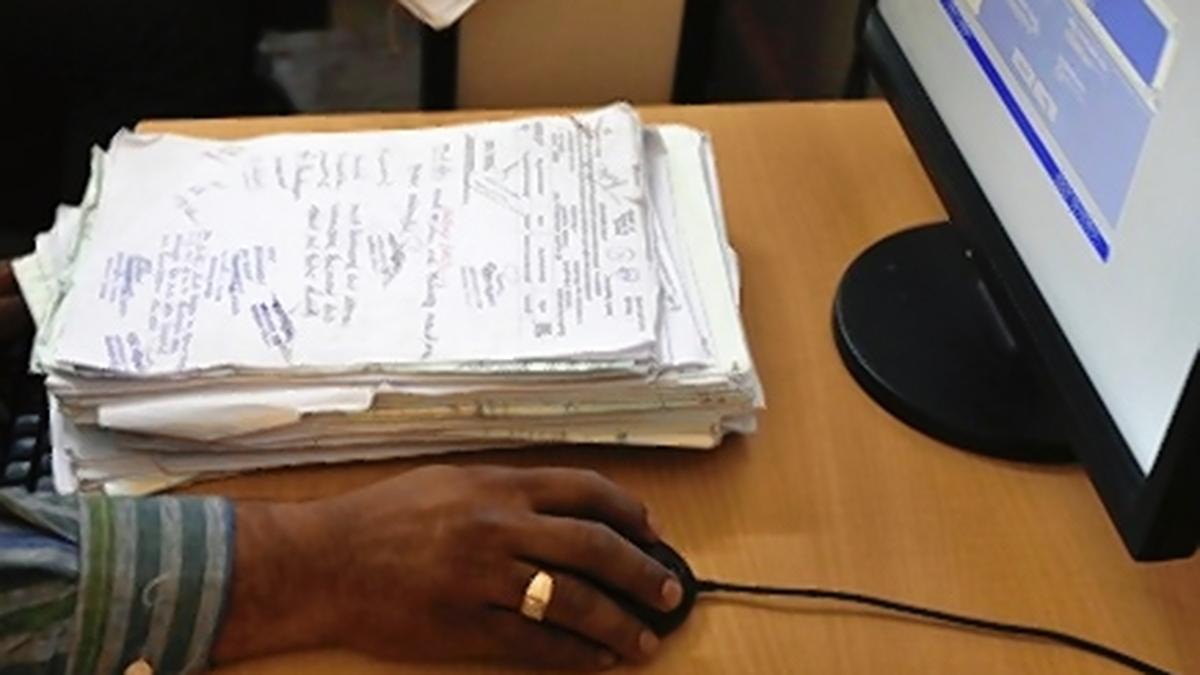
Community Impact For residents of the BTR, the digitisation promises to curb land fraud, expedite property transactions, and resolve long-standing disputes that often escalate into communal tensions. Local farmers, who previously relied on fragile paper records, can now access verified digital copies, reducing bureaucratic delays. Saud noted that the system would particularly benefit marginalised groups, such as tea garden workers and indigenous communities, by securing their land rights through tamper-proof records.
The success of this initiative holds lessons for Odisha, where tribal populations frequently face land alienation due to ambiguous records. In districts like Sundargarh and Kalahandi, where forest land rights under the Forest Rights Act (FRA) are contentious, a similar digital overhaul could streamline claims and reduce litigation. Experts suggest that Odisha’s Revenue and Disaster Management Department could explore partnerships with the BTC to adapt this model, given the state’s own push for e-governance under the Mo Sarkar programme.
What Happens Next With the BTR’s digitisation now operational, attention turns to its scalability. Assam’s two older tribal councils—Karbi Anglong-West Karbi Anglong and Dima Hasao—are reportedly studying the BTC’s framework for potential replication. For Odisha, the development underscores the urgency of modernising land records in its 22 tribal-subplan districts, where manual systems still dominate. As one senior official in Bhubaneswar observed, “If Assam’s tribal councils can achieve this, there’s no reason Odisha’s can’t—provided there’s political will and resource allocation.”
The BTR’s achievement may well catalyse a broader regional shift, pressing other states to prioritise digital land governance. For now, it stands as a testament to how technology, when harnessed effectively, can transform governance in even the most remote administrative pockets.
💬 What People Are Saying
▶️ Youtube
🗺️ More from Western Odisha: Sambalpur Sundargarh Bolangir Bargarh Jharsuguda Nuapada Kalahandi Deogarh Subarnapur Boudh
The Sundargarh Mirror news desk covers breaking news, governance, culture and development across western Odisha.