
📍 Bolangir, Odisha · 🗂️ Development · 📅 14 May 2026 · ⏱️ 4 min read · ✍️ Sasmita Meher
Bolangir, Odisha — The death of a 19-year-old woman from Kalahandi at a brick kiln in Telangana in December 2025 is a stark reflection of a deeper crisis pushing thousands from Odisha’s tribal heartlands into unsafe work.
Background
Odisha’s tribal belt, comprising districts such as Kalahandi, Rayagada, Nuapada, and Bolangir, is rich in resources but poor in opportunities. The region has been plagued by distress migration, with thousands of tribal people leaving their homes in search of livelihood. This phenomenon has been a persistent reality.
Community Impact
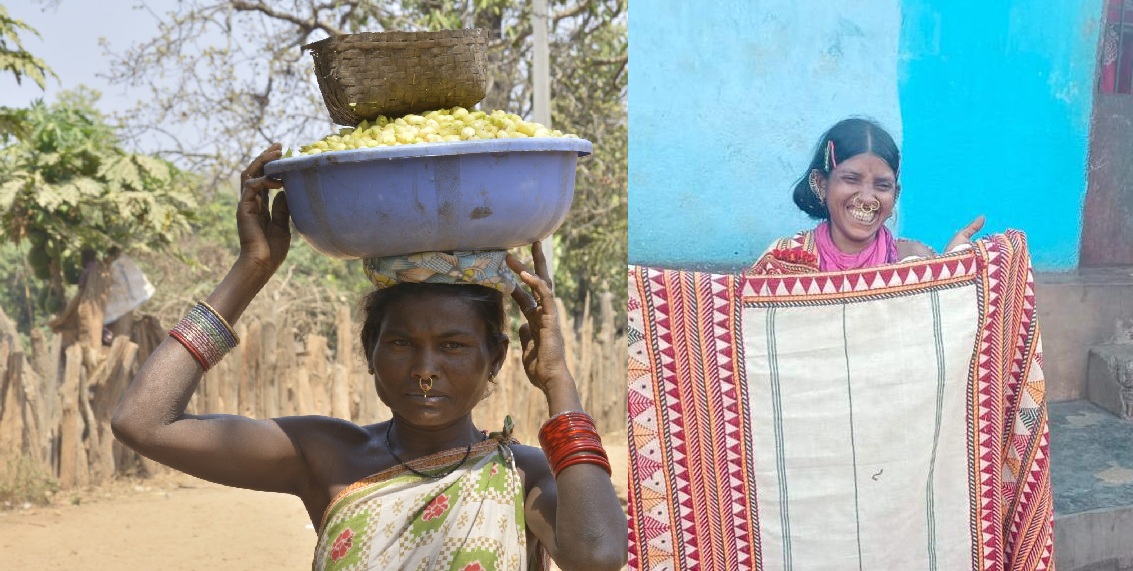
The death of the 19-year-old woman is not an isolated tragedy. According to data presented in the Odisha Assembly in December 2025, at least 518 migrant workers from the state have died while working outside over the past five years. The true toll is likely higher, hidden in undocumented cases. In Melenda village under Parsali Gram Panchayat in Rayagada district, perched atop the Niyamgiri hills, deprivation is an everyday reality. Of its 12 families, half have migrated in search of livelihood. Those who remain struggle with acute shortages of drinking water, healthcare, education, and roads. Even accessing basic rations requires a journey of nearly 12 kilometres.
The community is heavily reliant on collecting forest produce to sustain themselves. Agriculture, once the backbone of rural sustenance, is no longer dependable. The lack of alternative livelihood options has forced tribal communities to take up menial jobs, often in exploitative conditions. A local resident highlighted the struggles faced by the community.
What Happens Next
The situation in Odisha’s tribal belt demands immediate attention from the authorities. The state government needs to address the developmental gaps and provide alternative livelihood options to the tribal communities. The 518 migrant worker deaths over the past five years are a grim reminder of the crisis. The government must take concrete steps to ensure that the tribal communities have access to basic amenities and opportunities for sustainable livelihood.
Conclusion
As the situation in Odisha’s tribal belt continues to deteriorate, it is essential to acknowledge the complexities of economic vulnerability and developmental gaps that drive distress migration. The death of the 19-year-old woman in Telangana is a tragic reminder of the human cost of this crisis. The state government must act swiftly to mitigate the suffering of the tribal communities and provide them with a chance to live with dignity. The authorities must work to address the root causes of distress migration and ensure a better future for the tribal communities.
💬 What People Are Saying
▶️ Youtube
🗺️ More from Western Odisha: Sambalpur Sundargarh Bargarh Jharsuguda Nuapada Kalahandi Deogarh Subarnapur Boudh
Sasmita Meher covers agriculture, rural development and tribal culture from Bolangir with a focus on underreported communities.