

Vedanta Aluminium Rockets onto AMFI Large-Cap List – A Record Transformation?
Just weeks after its market debut, Vedanta Aluminium has been catapulted into India's elite large-cap stock category by the Association of Mutual Funds in India (AMFI). This extraordinary move reflects the company’s remarkable growth and the broader success of the Vedanta Group’s demerger strategy, placing it among the country’s most valuable businesses.
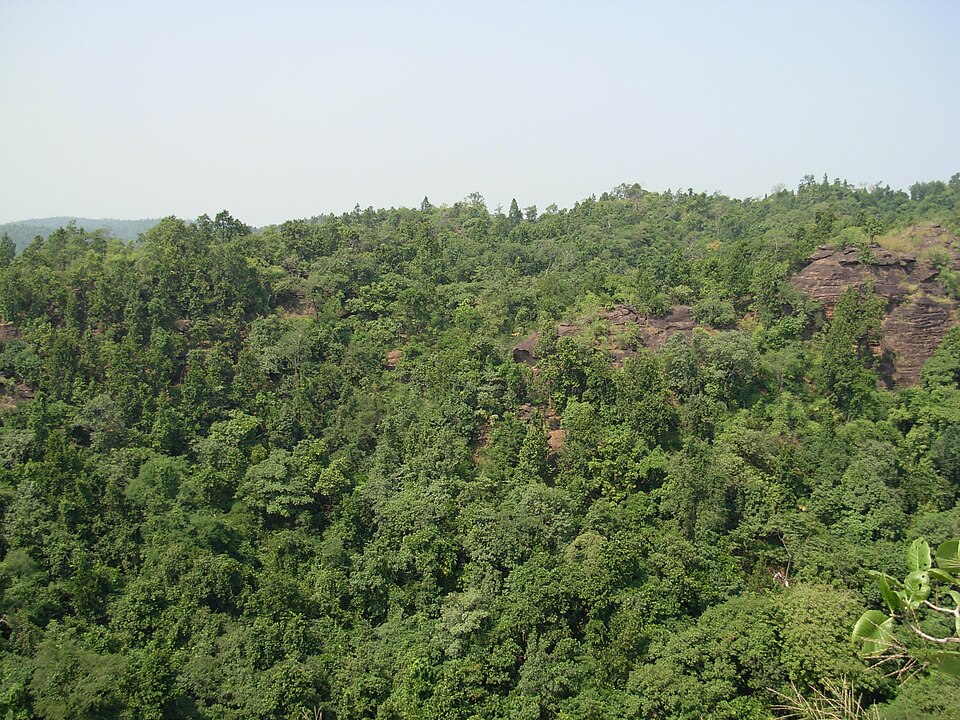
Jharsuguda – The industrial heart of Western Odisha, already known for its coal, steel, and aluminium production, has just witnessed another significant milestone with Vedanta Aluminium’s rapid ascent into the Association of Mutual Funds in India (AMFI) large-cap list. This extraordinary development, confirmed in the July 2026 half-yearly reclassification, underscores a transformation of unprecedented speed within the Indian corporate landscape.
Within a mere few weeks of its initial public offering (IPO), Vedanta Aluminium Metal has secured its place among India’s top 100 companies by market capitalization, a feat analysts are calling a pivotal moment representing the fastest transition of its kind from a nascent, demerged entity to an institutional-grade investment staple. The company, a dominant force in India’s primary aluminium production, operates the world’s largest single-site aluminium smelter in Jharsuguda, a testament to its scale and strategic importance.
“A stock that did not exist as an independent entity until June 15 has just been classified among India’s top 100 companies by market capitalization,” stated a company spokesperson. >“This is evidence of the strength of the Vedanta Group’s demerger strategy and its remarkable growth.”

This swift elevation is driven by a combination of factors, notably record production, robust EBITDA growth projections, and a strategic shift towards lower-cost operations. The company recently reported a staggering 632,000 tonnes of aluminium production in Q1 FY27 – its highest quarterly output – representing a 5 percent year-on-year increase. This production surge occurred even as LME aluminium prices experienced a significant 17 percent monthly decline, one of the steepest drops seen since 2008.
“The fact that volumes held and improved through a sector downturn is one of the reasons that has attracted Buy ratings from multiple brokerages, with price targets ranging from Rs 540 to Rs 630 against a current price closer to Rs 450,” explained a metals analyst at a prominent domestic brokerage. This optimistic outlook is further bolstered by Vedanta Aluminium’s AA+ credit rating, a testament to the company’s financial stability, and a clear roadmap towards steadily improving operational costs as its integrated production facilities – a cornerstone of the demerger strategy – gain traction.
The demerger strategy, initiated six months ago, involves the creation of five independent, publicly listed businesses within the Vedanta Group, each focused on a specific sector or commodity. The successful listing of Vedanta Aluminium has already resulted in a combined market capitalization of approximately Rs 3.28 lakh crore, a substantial increase from the initial Rs 2.14 lakh crore at the beginning of the year. This represents an impressive value creation of Rs 1.14 lakh crore in just six months, validating the Group’s bold strategy.
India’s domestic aluminium demand is currently experiencing robust growth, estimated at 8 to 10 percent annually, fuelled by rising consumption in sectors like electric vehicles, renewable energy, defence, and construction. While approximately 40 percent of demand remains reliant on imports, Vedanta Aluminium’s strategically located facility – the largest single-site smelter globally – positions it as a key player in meeting this burgeoning need.

The company’s continued success is not simply an isolated case of good fortune; it is the culmination of strategic investment, operational efficiency, and a visionary corporate restructuring. The AMFI’s large-cap classification is a powerful endorsement of this approach, signaling that institutional investors recognize the significant potential of Vedanta Aluminium.
“What makes this story compelling is not just the scale, it is the trajectory,” added a fund manager at a Mumbai-based institutional investor. “Value-added production up 14 percent, EBITDA expected to grow at nearly 28 per cent compounded through FY28, and a cost roadmap that gets structurally better every quarter as backward integration kicks in. The market has not fully priced any of this in yet.”
Looking ahead, Vedanta Aluminium's integration of backward-integrated operations – including captive power generation and bauxite mining – promises to further enhance its cost competitiveness and solidify its position as a leading aluminium producer in India.
This development also highlights the broader trend of demerger strategies within the Indian corporate sector, demonstrating the potential for focused, independently listed businesses to outperform larger, diversified conglomerates – a strategy now firmly supported by market valuations.
Related Coverage
What is the AMFI large-cap classification?
The AMFI large-cap classification ranks companies based on their average market capitalization, identifying the 100 largest companies in India by this metric. Inclusion in this category signifies a high level of institutional investor interest and recognition.
What factors contributed to Vedanta Aluminium’s rapid growth?
Key factors include record aluminium production in Q1 FY27, a robust EBITDA growth outlook, the company’s integrated operations – including captive power and bauxite mining – and a strategic shift towards lower-cost production.
What is the significance of the Vedanta Group’s demerger strategy?
The strategy aims to unlock greater value for each of the five independently listed businesses within the Vedanta Group, allowing them to be valued more accurately than a single, diversified conglomerate.
What are the growth forecasts for India’s aluminium demand?
India's domestic aluminium demand is projected to grow at an annual rate of 8 to 10 percent, driven by increasing demand from the electric vehicle, renewable energy, defence, and construction sectors.
Rakesh Pradhan
District Correspondent, Jharsuguda
Rakesh Pradhan reports on Jharsuguda's industrial corridor, power and aluminium sector news, and civic administration for the Mirror.
View all articles by Rakesh →
Loading…