
📍 Odisha, Odisha · 🗂️ News · 📅 14 May 2026 · ⏱️ 3 min read · ✍️ Western Odisha Mirror Desk
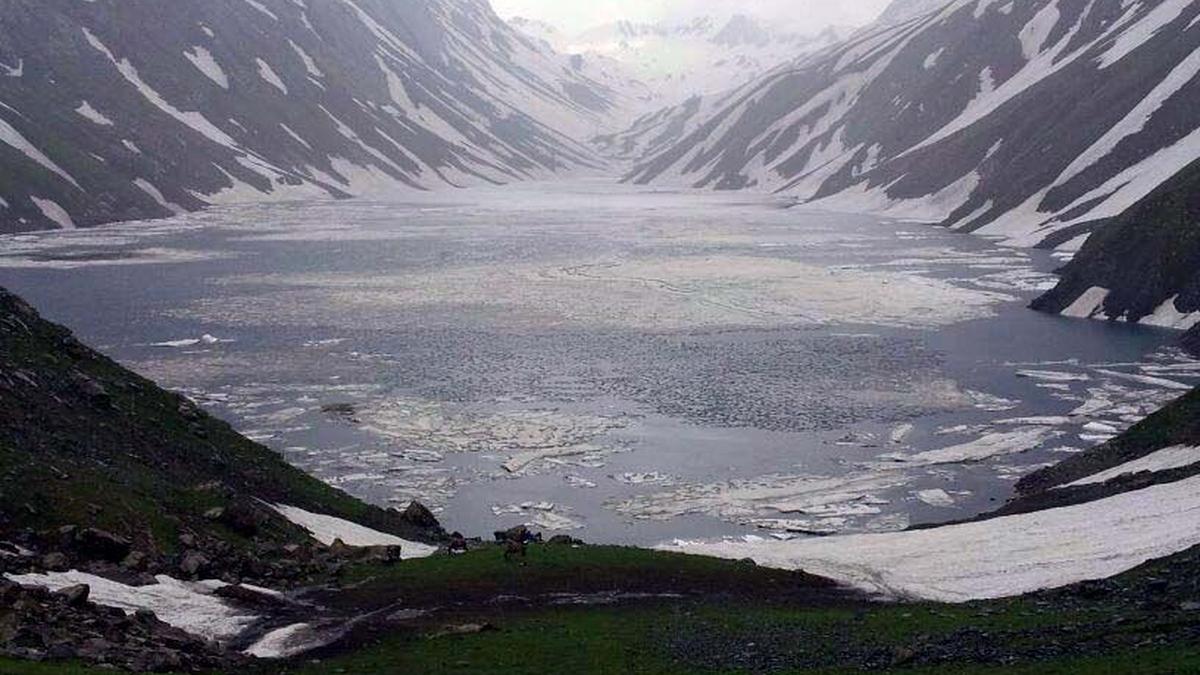
Odisha, Odisha — Researchers at IIT Guwahati have identified 493 high-risk glacial lake outburst flood (GLOF) sites in the Eastern Himalayas, a critical development for disaster preparedness.
Background The Eastern Himalayas, with its rapidly retreating glaciers, faces increasing GLOF risks due to climate change. Sudden floods, triggered by collapsing natural dams, have historically devastated downstream communities, infrastructure, and ecosystems. Unlike previous assessments that relied on climate data, this study employs a geomorphology-based approach to predict future glacial lake formation.
Full Verified Sequence of Events Published in *Nature Scientific Reports*, the research was led by IIT-G’s Ajay Dashora, Anushka Vashistha, and Afroz Ahmad Shah, alongside the Universiti of Brunei Darussalam. Using satellite imagery and topographic analysis, the team mapped high-risk zones where retreating glaciers are likely to form unstable lakes. Their methodology accounts for terrain instability, drainage patterns, and past flood records, offering a more precise risk assessment. The 2023 Sikkim GLOF, which killed 94 people, destroyed 1,835 homes, displaced 2,563 residents, and swept away a 1,200-megawatt hydropower dam, underscores the urgency of such studies.
Community Impact The 2023 Sikkim disaster exemplifies the catastrophic consequences of GLOFs, with infrastructure, agriculture, and livelihoods in mountainous regions bearing the brunt. The new study aims to equip authorities with predictive tools to mitigate future risks. Officials in affected states have called for integrating these findings into early warning systems and disaster response frameworks.
Local Significance While the study focuses on the Eastern Himalayas, its implications extend to Odisha, where climate-induced disasters like cyclones and floods already strain emergency resources. Experts highlight the need for cross-regional collaboration to address climate vulnerabilities, noting that preparedness in remote Himalayan regions can inform disaster management strategies nationwide.
What Happens Next The researchers advocate for real-time monitoring of identified high-risk zones and community-based disaster drills. They also urge policymakers to prioritise climate-resilient infrastructure. As temperatures continue to rise, the study’s findings will be critical in safeguarding Himalayan communities and averting future tragedies.
💬 What People Are Saying
▶️ Youtube
🗺️ More from Western Odisha: Sambalpur Sundargarh Bolangir Bargarh Jharsuguda Nuapada Kalahandi Deogarh Subarnapur Boudh
🗞️
Western Odisha Mirror DeskNews Desk — Sundargarh Mirror
The Sundargarh Mirror news desk covers breaking news, governance, culture and development across western Odisha.